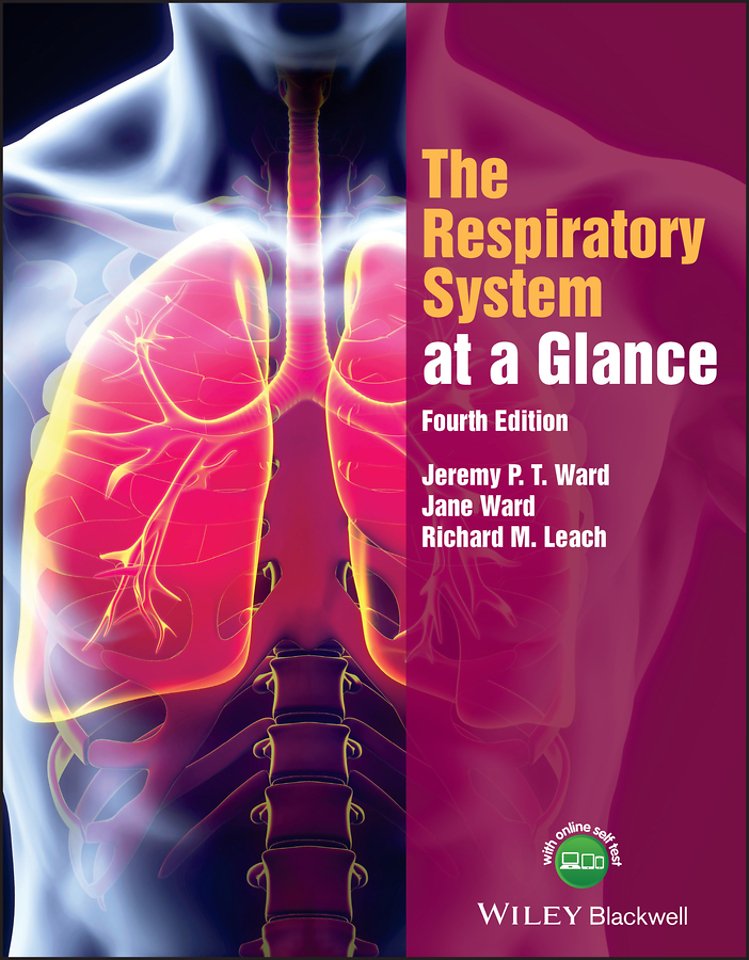
The Respiratory System at a Glance, 4e
Samenvatting
The Respiratory System at a Glance has been thoroughly updated in line with current practice guidelines and new techniques to provide a highly illustrated and comprehensive guide to normal lung structure and function, as well as associated pathophysiology. Each topic has been fully revised and is accompanied by clear diagrams to encapsulate essential knowledge.
Reflecting changes to the content, teaching and assessment methods used in medical education, this new edition now includes more information on acid base and its clinical ramifications, further detail on defence mechanisms and immunology, and also features online access to clinical cases and flashcards.
The Respiratory System at a Glance:
Integrates basic and clinical science ideal for integrated and systems–based courses
Includes both the pathophysiology and clinical aspects of the respiratory system
Is fully revised and updated to reflect current practice guidelines and new therapies
Provides online clinical cases, brand new flashcards, and MCQs
Includes a companion website at www.ataglanceseries.com/respiratory featuring interactive multiple choice questions and digital flashcards
Specificaties
Inhoudsopgave
<p>Units and symbols ix</p>
<p>List of abbreviations xi</p>
<p>About the companion website xiii</p>
<p>Part 1 Structure and function 1</p>
<p>1 Structure of the respiratory system: lungs, airways and dead space 2</p>
<p>2 The thoracic cage and respiratory muscles 4</p>
<p>3 Pressures and volumes during normal breathing 6</p>
<p>4 Gas laws 8</p>
<p>5 Diffusion 10</p>
<p>6 Lung mechanics: elastic forces 12</p>
<p>7 Lung mechanics: airway resistance 14</p>
<p>8 Carriage of oxygen 16</p>
<p>9 Carriage of carbon dioxide 18</p>
<p>10 Acid base balance 20</p>
<p>11 Acid base disorders 22</p>
<p>12 Control of breathing I: chemical mechanisms 24</p>
<p>13 Control of breathing II: neural mechanisms 26</p>
<p>14 Pulmonary circulation and anatomical right–to–left shunts 28</p>
<p>15 Ventilation perfusion mismatching 30</p>
<p>16 Exercise, altitude and diving 32</p>
<p>17 Development of the respiratory system and birth 34</p>
<p>18 Complications of development and congenital disease 36</p>
<p>19 Lung defence mechanisms 38</p>
<p>20 Immunology of the lung 40</p>
<p>Part 2 History, examination and investigation 43</p>
<p>21 History and examination 44</p>
<p>22 Pulmonary function tests 46</p>
<p>23 Chest imaging and bronchoscopy 48</p>
<p>Part 3 Diseases and treatment 51</p>
<p>24 Public health and smoking 52</p>
<p>25 Respiratory failure 54</p>
<p>26 Asthma: pathophysiology 56</p>
<p>27 Asthma: treatment 58</p>
<p>28 Chronic obstructive pulmonary disease 60</p>
<p>29 Pulmonary hypertension 62</p>
<p>30 Venous thromboembolism and pulmonary embolism 64</p>
<p>31 Pulmonary involvement in vasculitis 66</p>
<p>32 Diffuse parenchymal (interstitial) lung diseases 68</p>
<p>33 Sarcoidosis 70</p>
<p>34 Pleural diseases 72</p>
<p>35 Occupational and environmental–related lung disease 74</p>
<p>36 Cystic fibrosis and bronchiectasis 76</p>
<p>37 Pneumothorax 78</p>
<p>38 Community–acquired pneumonia 80</p>
<p>39 Hospital–acquired (nosocomial) pneumonia 82</p>
<p>40 Pulmonary tuberculosis 84</p>
<p>41 The immune–compromised patient 86</p>
<p>42 Lung cancer 88</p>
<p>43 Acute respiratory distress syndrome 90</p>
<p>44 Mechanical ventilation 92</p>
<p>45 Oxygenation and oxygen therapy 94</p>
<p>46 Sleep apnoea 96</p>
<p>Index 98</p>