The Defortification of the German City, 1689–1866
Samenvatting
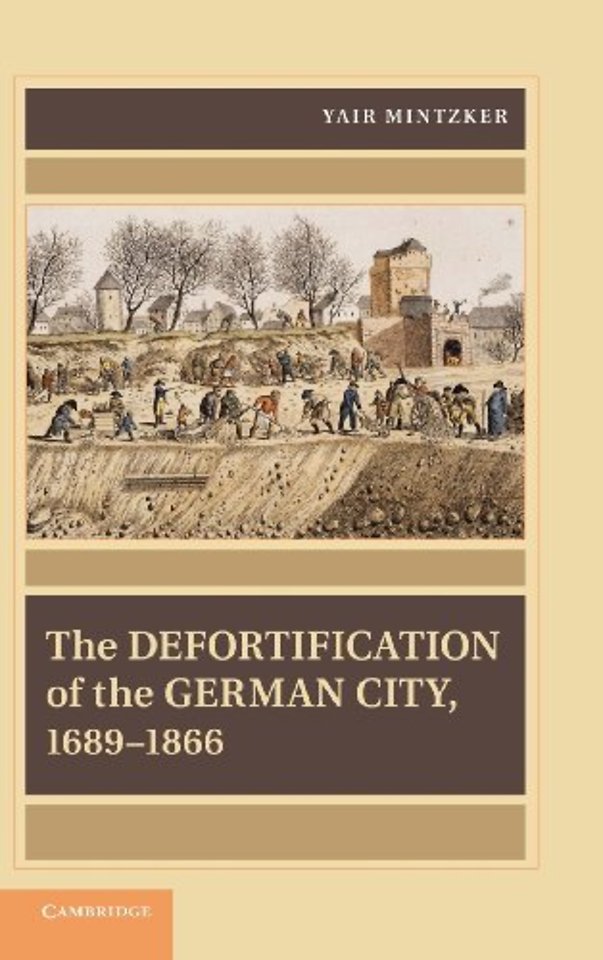
In the early modern period, all German cities were fortified places. Because contemporary jurists have defined 'city' as a coherent social body in a protected place, the urban environment had to be physically separate from the surrounding countryside. This separation was crucial to guaranteeing the city's commercial, political and legal privileges. Fortifications were therefore essential for any settlement to be termed a city. This book tells the story of German cities' metamorphoses from walled to de-fortified places between 1689 and 1866. Using a wealth of original sources, The Defortification of the German City, 1689–1866 discusses one of the most significant moments in the emergence of the modern city: the dramatic and often traumatic demolition of the city's centuries-old fortifications and the creation of the open city.