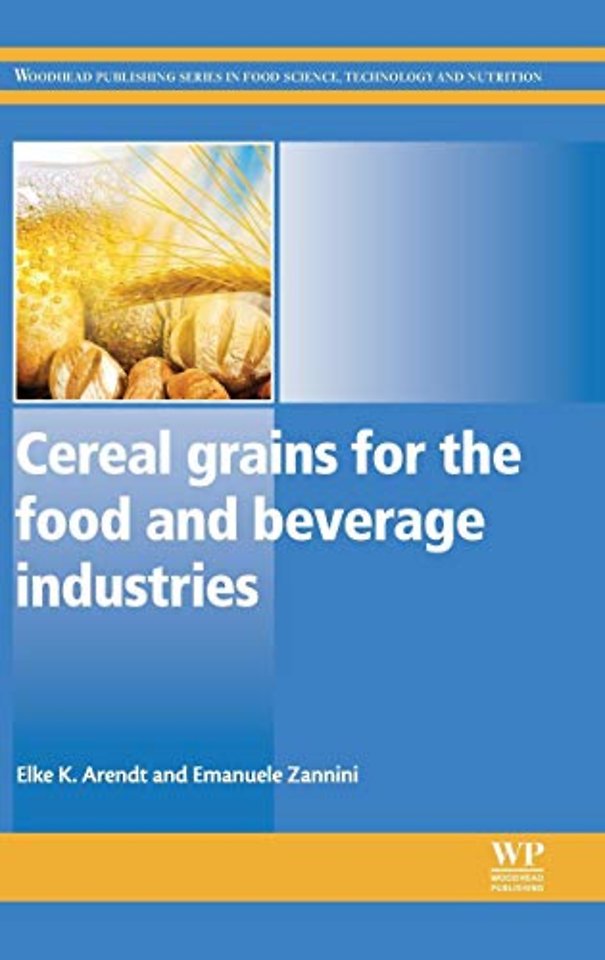
,

Cereal Grains for the Food and Beverage Industries

Specificaties
Gebonden, blz. | Engels
Elsevier Science | e druk, 2013
ISBN13: 9780857094131
Rubricering
Elsevier Science e druk, 2013 9780857094131
€ 259,00
Levertijd ongeveer 8 werkdagen

Samenvatting

Cereals are a staple of the human diet and have a significant effect on health. As a result, they are of major significance to the food industry. Cereal grains for the food and beverage industries provides a comprehensive overview of all of the important cereal and pseudo-cereal species, from their composition to their use in food products.The book reviews the major cereal species, starting with wheat and triticale before covering rye, barley and oats. It goes on to discuss other major species such as rice, maize, sorghum and millet, as well as pseudo-cereals such as buckwheat, quinoa and amaranth. Each chapter reviews grain structure, chemical composition (including carbohydrate and protein content), processing and applications in food and beverage products.Cereal grains for the food and beverage industries is an essential reference for academic researchers interested in the area of cereal grains and products. It is also an invaluable reference for professionals in the food and beverage industry working with cereal products, including ingredient manufacturers, food technologists, nutritionists, as well as policy-makers and health care professionals.

Specificaties

ISBN13:9780857094131
Taal:Engels
Bindwijze:Gebonden

Inhoudsopgave

<p>Author contact details</p> <p>Woodhead Publishing Series in Food Science, Technology and Nutrition</p> <p>Foreword</p> <p>Preface</p> <p>Chapter 1: Wheat and other Triticum grains</p> <p>Abstract:</p> <p>1.1 Introduction</p> <p>1.2 Structure of wheat grain</p> <p>1.3 Wheat carbohydrate composition and properties</p> <p>1.4 Wheat protein composition and properties</p> <p>1.5 Other constituents of wheat</p> <p>1.6 Flour milling</p> <p>1.7 Bakery products based on wheat</p> <p>1.8 Durum wheat products</p> <p>1.9 Products based on other types of wheat</p> <p>1.10 Beverages based on wheat</p> <p>1.11 Conclusions</p> <p>1.12 Future trends</p> <p>Chapter 2: Maizes</p> <p>Abstract:</p> <p>2.1 Introduction</p> <p>2.2 Maize carbohydrate composition and properties</p> <p>2.3 Other constituents of the maize kernel</p> <p>2.4 Maize processing</p> <p>2.5 Applications of maize in foods</p> <p>2.6 Applications of maize in beverages</p> <p>2.7 Conclusions</p> <p>2.8 Future trends</p> <p>Chapter 3: Rice</p> <p>Abstract:</p> <p>3.1 Introduction</p> <p>3.2 Rice carbohydrate composition and properties</p> <p>3.3 Other constituents of the rice kernel</p> <p>3.4 Rice processing</p> <p>3.5 Food and beverage applications of rice</p> <p>3.6 Conclusions</p> <p>3.7 Future trends</p> <p>Chapter 4: Barley</p> <p>Abstract:</p> <p>4.1 Introduction</p> <p>4.2 Barley carbohydrate composition and properties</p> <p>4.3 Other constituents of the barley kernel</p> <p>4.4 Barley milling</p> <p>4.5 Applications of barley in foods</p> <p>4.6 Applications of barley in beverages</p> <p>4.7 Conclusions</p> <p>4.8 Future trends</p> <p>Chapter 5: Triticale</p> <p>Abstract:</p> <p>5.1 Introduction</p> <p>5.2 Chemical composition of the triticale kernel</p> <p>5.3 Triticale milling and applications in foods and beverages</p> <p>5.4 Conclusions</p> <p>5.5 Future trends</p> <p>Chapter 6: Rye</p> <p>Abstract:</p> <p>6.1 Introduction</p> <p>6.2 Chemical constituents of the rye kernel</p> <p>6.3 Rye milling and applications in foods and beverages</p> <p>6.4 Conclusions</p> <p>6.5 Future trends</p> <p>Chapter 7: Oats</p> <p>Abstract:</p> <p>7.1 Introduction</p> <p>7.2 Oat carbohydrate composition and properties</p> <p>7.3 Other constituents of the oat kernel</p> <p>7.4 Oat milling</p> <p>7.5 Food and beverage applications of oats</p> <p>7.6 Conclusions</p> <p>7.7 Future trends</p> <p>Chapter 8: Sorghum</p> <p>Abstract:</p> <p>8.1 Introduction</p> <p>8.2 Chemical constituents of the sorghum kernel</p> <p>8.3 Sorghum milling</p> <p>8.4 Applications in foods and beverages</p> <p>8.5 Conclusions</p> <p>8.6 Future trends</p> <p>Chapter 9: Millet</p> <p>Abstract:</p> <p>9.1 Introduction</p> <p>9.2 Proso millet carbohydrate composition and properties</p> <p>9.3 Proso millet protein composition and properties</p> <p>9.4 Other constituents of proso millet</p> <p>9.5 Processing of proso millet</p> <p>9.6 Food and beverage applications of proso millet</p> <p>9.7 Future trends</p> <p>Chapter 10: Teff</p> <p>Abstract:</p> <p>10.1 Introduction</p> <p>10.2 Chemical composition of the teff kernel</p> <p>10.3 Teff milling and applications in foods and beverages</p> <p>10.4 Conclusions</p> <p>10.5 Future trends</p> <p>Chapter 11: Buckwheat</p> <p>Abstract:</p> <p>11.1 Introduction</p> <p>11.2 Buckwheat carbohydrate composition and properties</p> <p>11.3 Buckwheat protein composition and properties</p> <p>11.4 Other constituents of buckwheat</p> <p>11.5 Food and beverage applications of buckwheat</p> <p>11.6 Conclusions</p> <p>11.7 Future trends</p> <p>Chapter 12: Quinoa</p> <p>Abstract:</p> <p>12.1 Introduction</p> <p>12.2 Chemical composition of quinoa seed</p> <p>12.3 Quinoa milling and applications in foods and beverages</p> <p>12.4 Conclusions</p> <p>12.5 Future trends</p> <p>Chapter 13: Amaranth</p> <p>Abstract:</p> <p>13.1 Introduction</p> <p>13.2 Amaranth carbohydrate composition and properties</p> <p>13.3 Other constituents of amaranth</p> <p>13.4 Amaranth processing and applications in foods and beverages</p> <p>13.5 Conclusions</p> <p>13.6 Future trends</p> <p>Index</p>
€ 259,00
Levertijd ongeveer 8 werkdagen

Rubrieken

    Personen

      Trefwoorden

        Cereal Grains for the Food and Beverage Industries