Modernism, Mass Culture, and the Aesthetics of Obscenity
Samenvatting
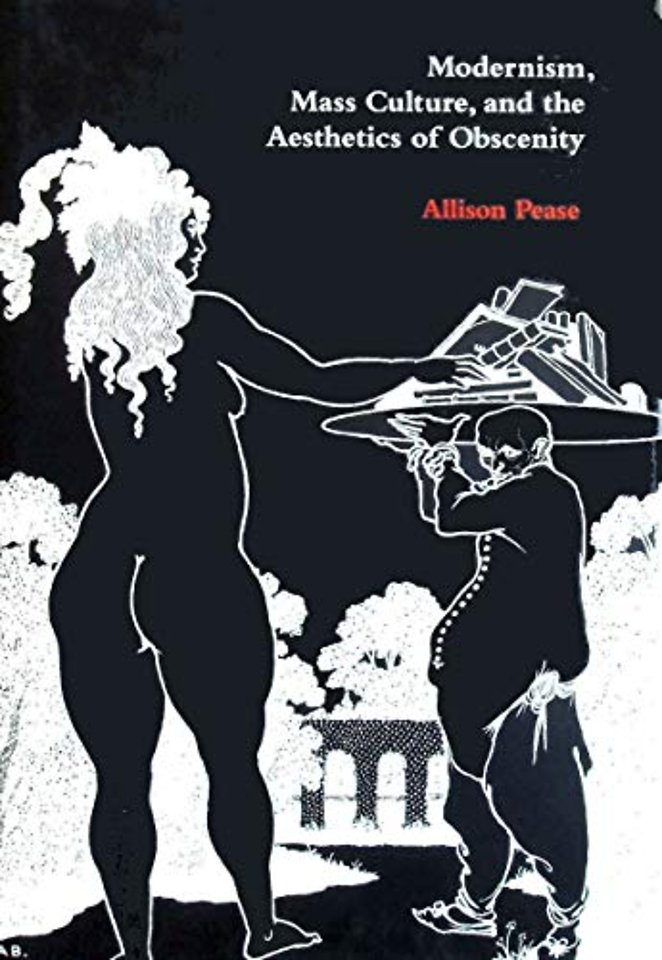
How did explicit sexual representation become acceptable in the twentieth century as art rather than pornography? Allison Pease answers this question by tracing the relationship between aesthetics and obscenity from the 1700s onwards, highlighting the way in which early twentieth-century writers incorporated a sexually explicit discourse into their work. Pease explores how artists such as Swinburne, Aubrey Beardsley, James Joyce and D. H. Lawrence were responsible for shifting the boundaries between aesthetics and pornography that first became of intellectual interest in the eighteenth century and reinforced class distinctions. Her analysis of canonical works, such as Joyce's Ulysses and Lawrence's Lady Chatterley's Lover, is framed by a wide-ranging examination of the changing conceptions of aesthetics from Shaftesbury, Hutcheson and Kant to F. R. Leavis, I. A. Richards and T. S. Eliot. Based on extensive archival work, the book includes examples of period art and illustrations which eloquently demonstrate the shift in public taste and tolerance.