Sweeping the German Nation
Domesticity and National Identity in Germany, 1870-1945
Samenvatting
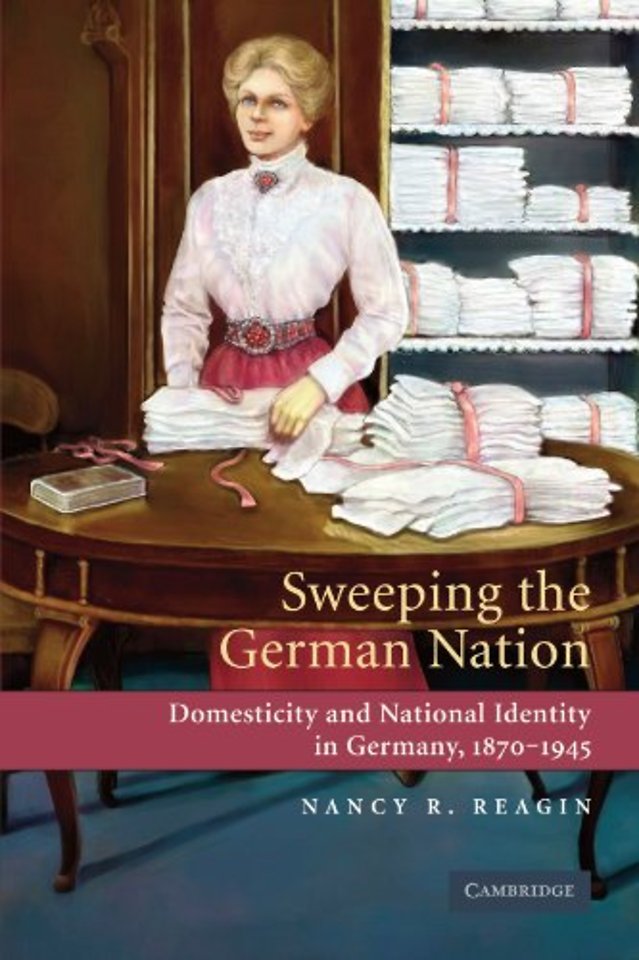
Is cleanliness next to Germanness, as some nineteenth-century nationalists insisted? This book explores the relationship between gender roles, domesticity, and German national identity between 1870–1945. After German unification, approaches to household management that had originally emerged among the bourgeoisie became central to German national identity by 1914. Thrift, order, and extreme cleanliness, along with particular domestic markers (such as the linen cabinet) and holiday customs, were used by many Germans to define the distinctions between themselves and neighboring cultures. What was bourgeois at home became German abroad, as 'German domesticity' also helped to define and underwrite colonial identities in Southwest Africa and elsewhere. After 1933, this idealized notion of domestic Germanness was racialized and incorporated into an array of Nazi social politics. In occupied Eastern Europe during WWII Nazi women's groups used these approaches to household management in their attempts to 'Germanize' Eastern European women who were part of a large-scale project of population resettlement and ethnic cleansing.