,

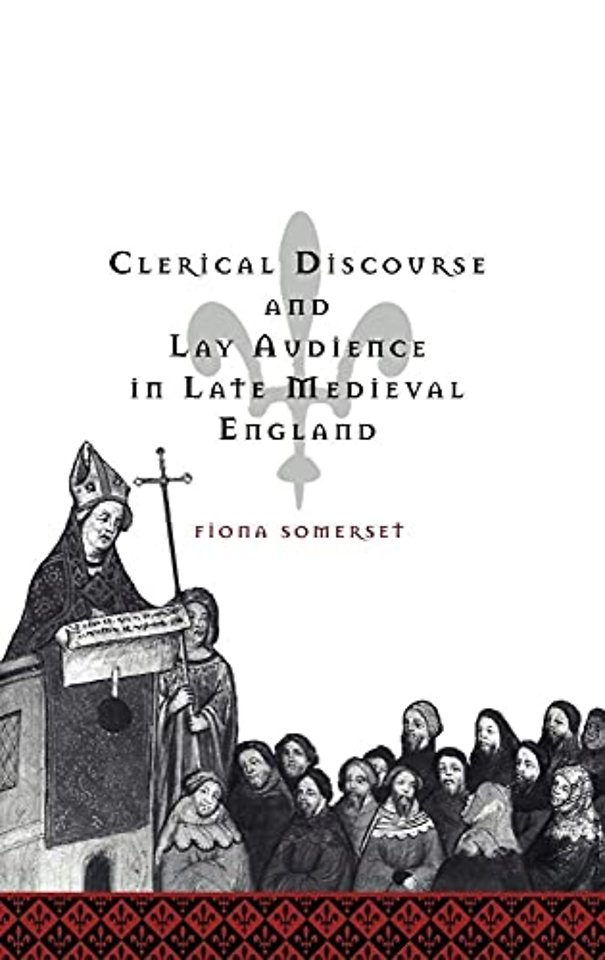
Clerical Discourse and Lay Audience in Late Medieval England

Specificaties
Gebonden, 256 blz. | Engels
Cambridge University Press | e druk, 1998
ISBN13: 9780521621540
Rubricering
Cambridge University Press e druk, 1998 9780521621540
Onderdeel van serie Cambridge Studies in
€ 122,47
Levertijd ongeveer 8 werkdagen

Samenvatting

The translation of learned Latin materials into English between around 1370 and 1410 was a highly controversial activity. It was thought likely to make available to lay audiences the authoritative and intellectual information and methods of argument previously only accessible to an educated elite - and with that knowledge the power of information. Fiona Somerset's 1998 study examines what kinds of academic material were imported into English, what sorts of audience were projected for this kind of clerical discourse and how writers positioned themselves with respect to potential audience and opponents. The well-known concerns with clerical corruption and lay education of authors such as Langland, Trevisa, and Wyclif are linked to those of more obscure writers in both Latin and English, some only recently edited, or only extant in manuscript.

Specificaties

ISBN13:9780521621540
Taal:Engels
Bindwijze:Gebonden
Aantal pagina's:256

Inhoudsopgave

Part I: 1. Introduction; 2. 'Lewed Clergie': vernacular authorisation in Piers Plowman; 3. The 'Publyschyng' of 'Informacion': John Trevisa, Sir Thomas Berkeley, and their project of 'Englysch Translacion'; Part II: 4. Answering the twelve conclusions: Dymmok's halfhearted gestures toward publication; 5. The Upland Series and the invention of invective, 1350–1410; 6. Vernacular Argumentation in The Testimony of William Thorpe.
€ 122,47
Levertijd ongeveer 8 werkdagen

Rubrieken

    Personen

      Trefwoorden

        Clerical Discourse and Lay Audience in Late Medieval England