Gratis boekenweekgeschenk bij een bestelling boven de €17,50 (geldt alleen voor Nederlandstalige boeken)
, , , , e.a.

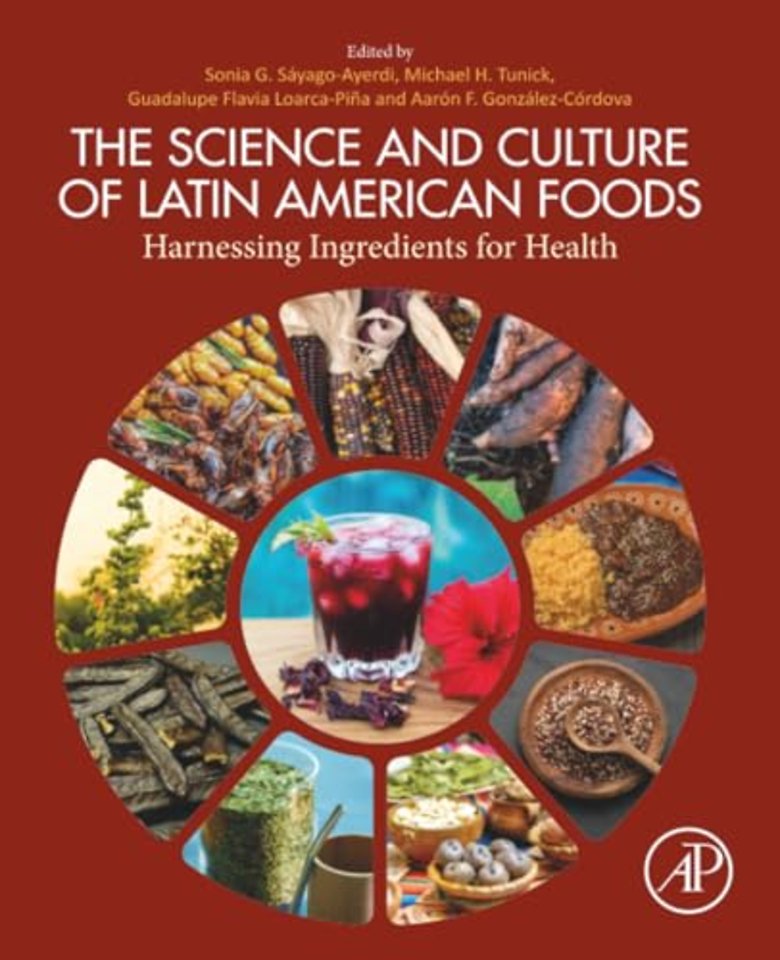
The Science and Culture of Latin American Foods

Harnessing Ingredients for Health

Specificaties
Paperback, blz. | Engels
Elsevier Science | e druk, 2025
ISBN13: 9780443334054
Rubricering
Elsevier Science e druk, 2025 9780443334054
€ 225,39
Levertijd ongeveer 8 werkdagen

Samenvatting

The Science and Culture of Latin American Foods: Harnessing Ingredients for Health combines science and technology to demonstrate the importance of rescuing and preserving traditional and ancestral knowledge to exploit the functional benefits of the regions’ many roots, plants, seeds, insects, and more. Divided into four sections, Ingredients, Nutraceuticals, Functional Foods, and Cuisine, the book discusses the sustainable development of these ingredients while highlighting origin, production, classification, and medicinal properties. Readers will discover the potential of potent bioactive peptides derived from native foods like cacao, chipilín leaves, and Huauzontle, a pre-Hispanic ingredient thriving and surviving in Mexican cuisine.

In addition, they will learn how Asia and Africa influence Latin American cuisine and about the importance these regional culinary dishes have in global gastronomy today.

Specificaties

ISBN13:9780443334054
Taal:Engels
Bindwijze:Paperback

Inhoudsopgave

<p>Introduction<br>1. Mexican food: A UNESCO intangible cultural heritage of humanity<br>2. Colombian Gastronomic Heritage<br>3. Bioactive peptides derived from artisanal cocoa bean fermentation<br><br>Ingredients<br>4. Cocoa: Food for gods<br>5. Uses and potential health benefits of purple corn: a Mesoamerican ancient food for the XXI century<br>6. Chipilin, nutritional and functional properties and their use in Chiapas cuisine.<br>7. Huauzontle: multifunctional properties of a pre-Hispanic ingredient that survives in Mexican cuisine<br>8. Yacon: an ancestral root with a modern approach to food science<br>9. Brosimum alicastrum Sw. seed (Ramon tree): an unconventional ingredient to prepare healthy food<br>10. Carob: the forgotten Mediterranean food<br>11. Tannat grape, the Uruguayan emblematic variety: composition and potential effects on health of wine and its byproducts<br>12. Quinoa: The Functional Food Revolution<br><br>Nutraceutical Foods<br>13. Nutraceutical and innovative foods using common bean (Phaseolus vulgaris L.) and maize (Zea mays L.) as ingredients<br>14. Hibiscus sabdariffa: an ancestral Asian plant-food and their multicultural influence in Mesoamerica<br>15. More than a simple drink: traditions, uses and bioactive properties of yerba mate (Ilex paraguariensis)<br>16. Fruits from Colombia to the World<br>17. Nutritional and functional potential of Non-Traditional Uruguayan fruits in the process of commercial development<br><br>Functional Foods<br>18. Unconventional foods from southern Mexico: properties and consumption<br>19. Mole: a symphony of smells and flavors from Mexico to the world<br>20. Mexican edible insects: nutraceutical potential and culinary applications<br>21. Edible insects: Processing technologies for their utilization<br>22. Beans: Ancestral food important for human health<br>23. Asian influence in tropical fruits traditionally consumed in Mexican gastronomy<br>24. Unconventional food plants from Brazil<br>25. Brazilian Tucumã fruits (Astrocaryum spp.): The missing link between science and traditional knowledge<br>26. Mexican Artisanal Cheeses: Preserving typicity and genuity through lactic acid bacteria cooperation.<br><br>Cuisine<br>27. Cuisine of nuns from post-viceroyalty Mexico: Functional or just "Mexicatessen"?<br>28. The relationship between dweller and mangrove: Taxtihil a ceremonial dish<br>29. Valorization of regional cuisine in the Costa Chica: Cultural background, culinary uses and potential health benefits</p>
€ 225,39
Levertijd ongeveer 8 werkdagen

Rubrieken

    Personen

      Trefwoorden

        The Science and Culture of Latin American Foods