Stephen B. Shrewsbury,
Stephen Shrewsbury
Elsevier Science
e druk, 2024
9780443247057
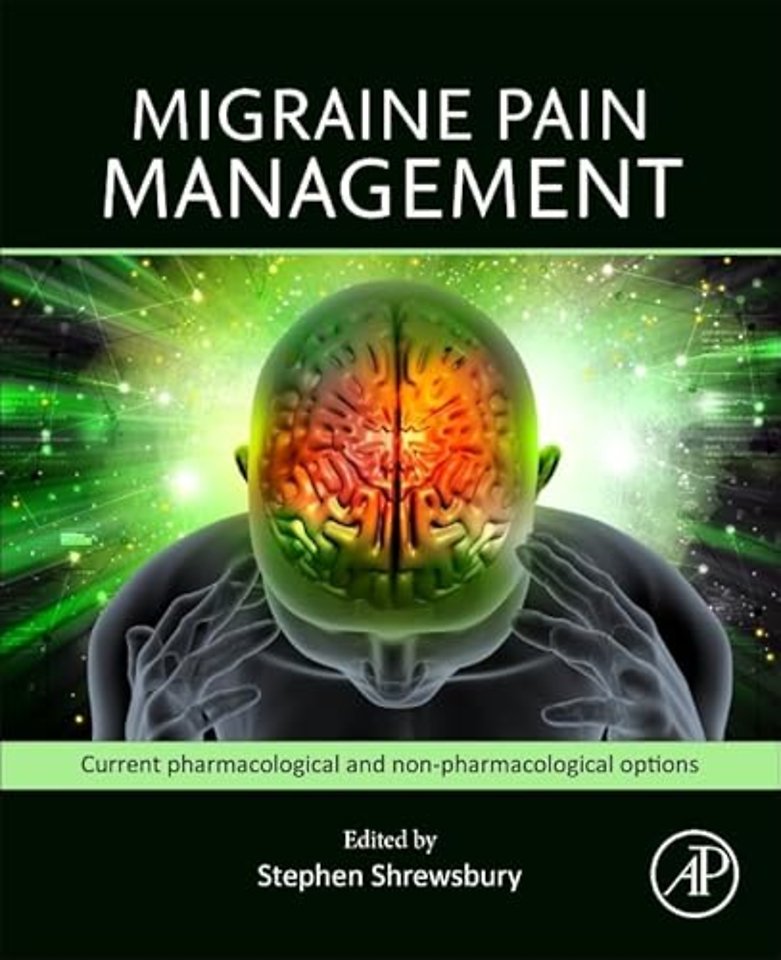
Migraine Pain Management
Current Pharmacological and Non-pharmacological Options
Specificaties
Paperback, blz.
|
Engels
Elsevier Science |
e druk, 2024
ISBN13: 9780443247057
Rubricering
Levertijd ongeveer 8 werkdagen
Samenvatting
Migraine Management: Current Pharmacological and Non-pharmacological Options is a comprehensive guide to established, recent, and ongoing pharmaceuticals and device development projects. The book provides detailed information on the historical developments of migraine pain management, druggable targets, drugs action mechanisms, drugs for acute treatment and preventive care of patients, administration routes, and alternative treatments. This is the ideal reference for academic researchers interested in anti-migraine pharmacology. It will also be a perfect reference for physicians and care professionals involved in the well-being of migraine patients.
Specificaties
Inhoudsopgave
Part I: Foundations and historical development of migraine pain management<br>1. Introduction<br>2. Neuroanatomy and Neurophysiology<br>3. Historical overview of migraine product development<br>4. Comorbidities and their impact on therapies<br>5. Not all Migraine attacks are the same<br>6. Challenges and Controversies; Pharmacokinetics, Linguistics, Semantics and Statistics<br><br>Part II: Druggable targets<br>7. CGRP<br>8. PACAP<br>9. Src family kinases (SFK) in Migraine<br>10. Delta opioid receptor system<br>11. Piezo channels in peripheral trigeminal nociception<br>12. TRP antagonists<br><br>Part III: Drugs – Acute Management<br>13. Simple analgesics and combination oral products<br>14. Cannabinoids & Phytochemicals<br>15. Ergots<br>16. Triptans<br>17. Beta blocker (timolol) eye drops<br>18. Lasmiditan (and the ditan class)<br>19. Gepants<br><br>Part IV: Drugs – Prevention<br>20. TCAs (Tricyclic Antidepresants), SNRIs, Beta blockers, candesartan, flunarizine<br>21. Antiseizure orals (gabapentin, topiramate)<br>22. Onabotulinumtoxin<br>23. Gepants (for prevention)<br>24. (CGRP) Monocloncal antibodies<br><br>Part V: Administration routes<br>25. Oral Drugs (including SMEDDS)<br>26. Inhaled - oral & nasal<br>27. Subcutaneous/IM/Transcutaneous ("Injectables")<br>28. IV/Infusion<br><br>Part VI: Alternative Management<br>29. The role of digital platforms and smartphone apps<br>30. Herbal Medicines<br>31. Phototherapy<br>32. Neuromodulation<br>33. Acupuncture (for episodic and chronic migraine)<br>34. Manual Therapies<br>35. Nutraceuticals and Diets<br>36. Mindfulness<br><br>Part VII: Summary & conclusion [Shrewsbury]<br>37. Final Perspectives: oral/non-oral pharmaceuticals; devices; Complimentary practices