, , , e.a.

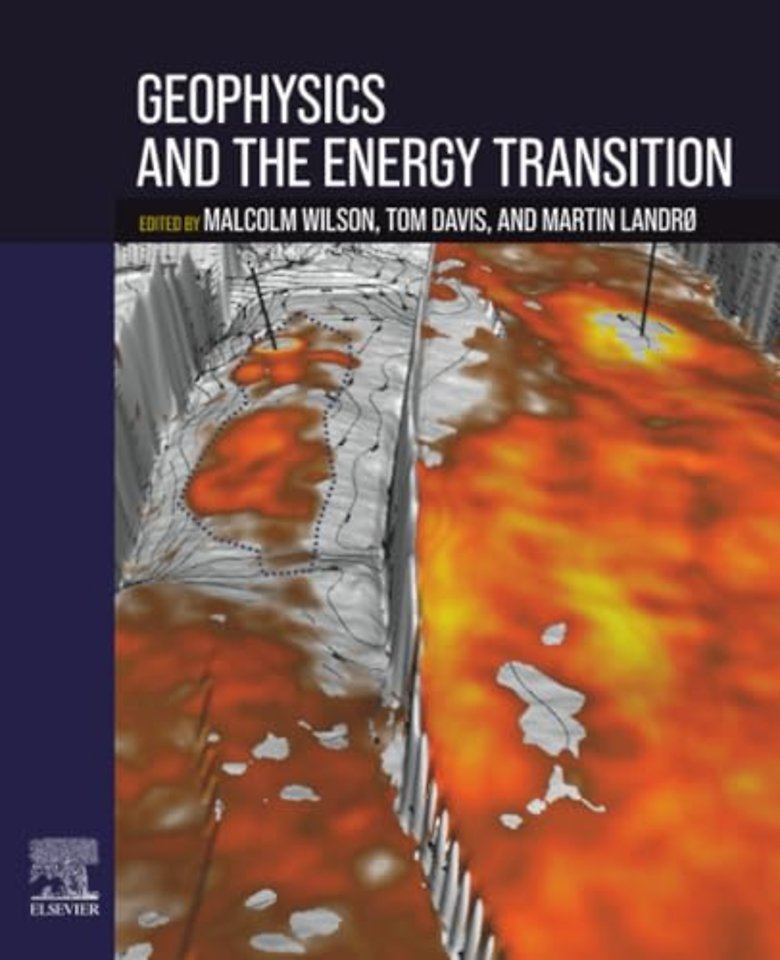
Geophysics and the Energy Transition

Specificaties
Paperback, blz. | Engels
Elsevier Science | e druk, 2024
ISBN13: 9780323959414
Rubricering
Elsevier Science e druk, 2024 9780323959414
€ 172,60
Levertijd ongeveer 8 werkdagen

Samenvatting

Geophysics and the Energy Transition involves four sections: What is the Energy Transition and why storage so important; selecting sites for storage; advanced monitoring technology; and moving forward to integrating Carbon Capture and Storage (CCS) within the Energy Transition. Geophysics will also play a role in finding and developing alternatives to fossil fuels such as natural hydrogen and geothermal using much of the knowledge gained from the CO2 storage industry. To provide the public and others with the confidence to move forward with a structured and cost-effective energy transition, this book provides the necessary evidence that we can store CO2 safely and effectively and use this as a significant component of the energy transition. We can also find and store new energy sources.

Geophysics and the Energy Transition is written by experts in the field who have practiced the science and engineering associated with the subsurface for years. CCS is an integral component of the new energy transition but the application of Geophysics in the future will extend well beyond CCS if we are going to transition successfully to a carbon neutral environment. Science, engineering, and technology applications are important for site selection, characterization and monitoring to assure safe storage in the subsurface and energy sustainability in the future. 

Specificaties

ISBN13:9780323959414
Taal:Engels
Bindwijze:Paperback

Inhoudsopgave

Section 1 - The energy transition<br>1. Introduction to the energy transition<br>2. Economic enablement of carbon capture and sequestration for the low carbon energy transition<br>3. A survey of carbon capture and sequestration (or storage) cost and storage<br>4. Energy transition: a reservoir engineering perspective<br>5. Preventing CO2 from fossil fuels from reaching the atmosphere<br>6. Critical reservoir parameters for safe, secure, and long-term storage: lessons of the past for selection of permanent geological storage sites<br><br>Section 2 - Integration of disciplines and technologies to ensure effective CCS<br>7. The need for integrated reservoir characterization in carbon capture and storage<br>8. CO2 messes with rock physics<br>9. The geochemistry of carbon capture and storage with implications for hydromechanical feedbacks and geophysical monitoring<br>10. The geomechanics of carbon storage<br><br>Section 3 - The role of geophysics in developing successful CCS projects<br>11. Geophysical technologies for CO2 monitoring<br>12. Advances in coupled passive and active seismic monitoring for large-scale geologic carbon storage projects<br>13. New tools for quantitative data interpretation<br><br>Section 4 - New site studies using advanced geophysical technologies<br>14. Multiwell DAS VSP monitoring of a small-scale CO2 injection: experience from the Stage 3 Otway Project<br>15. Next generation geophysical sensing: exploring a new wave of geophysical technologies for the energy transition<br>16. The Aquistore deep saline carbon dioxide storage project: learnings in three key areas for planned deep saline storage projects<br>17. New carbon capture and storage projects in the Williston Basin<br><br>Section 5 - Moving forward<br>18. The challenges of energy transition and opportunities for geophysicists<br>19. Opportunities for open-source software and open science in carbon capture and storage<br>20. Advanced geophysics used in CO2 storage
€ 172,60
Levertijd ongeveer 8 werkdagen

Rubrieken

    Personen

      Trefwoorden

        Geophysics and the Energy Transition