Hansika Kapoor,
James C. Kaufman
Elsevier Science
e druk, 2022
9780323856676
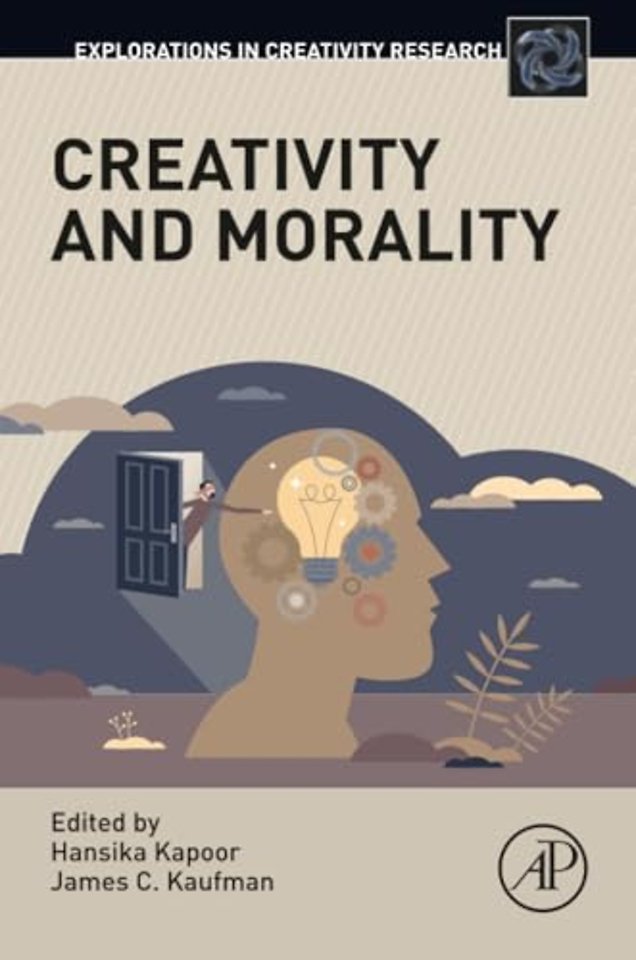
Creativity and Morality
Specificaties
Paperback, blz.
|
Engels
Elsevier Science |
e druk, 2022
ISBN13: 9780323856676
Rubricering
Onderdeel van serie
Explorations in Creativity Research
Levertijd ongeveer 8 werkdagen
Samenvatting
Creativity and Morality summarizes and integrates research on creativity used to achieve bad or immoral ends. The book includes the use of deception, novel ideas to commit wrongdoings across contexts, including in organizations, the classroom and terrorism. Morality is discussed from an individual perspective and relative to broader sociocultural norms that allow people to believe actions are justified. Chapters explore this research from an interdisciplinary perspective, including from psychology, philosophy, media studies, aesthetics and ethics.
Specificaties
Inhoudsopgave
<p>SECTION I. INTRODUCTION<br>1. The AMORAL model of dark creativity<br>2. An interdisciplinary perspective on creativity and morality<br>3. Beyond malevolent and benevolent: Why creativity and morality have more in common than we expect<br>4. Morality and creativity</p> <p>SECTION II. CREATIVITY, MORALITY, AND THE ARTS <br>5. The relation between aesthetic and moral sensitivity<br>6. Can you or will you imagine? Ability and willingness to imagine fictional scenarios depends on the type of imaginary world<br>7. Video games, morality, and empathy</p> <p>SECTION III. CREATIVITY, MORALITY, AND ORGANIZATIONS/TECHNOLOGY <br>8. Counterproductive work behaviors and creativity<br>9. The relationship between creativity and (un)ethical behaviors among employees and leaders<br>10. Creativity and morality in the world of technology: The intersection of creativity, design, and responsible problem solving</p> <p>SECTION IV. DARK INFLUENCES ON CREATIVITY AND MORALITY <br>11. Creativity and individual and tribal ethical behavior<br>12. Creativity, malevolent creativity, and the Dark Triad<br>13. The intersection of morality, creativity, and deception</p> <p>SECTION V. CREATIVITY, MORALITY, AND THE SELF <br>14. The mixed moral implications of the creative identity<br>15. The intersections of creativity and complex moral/immoral emotions<br>16. Morality and creativity</p>