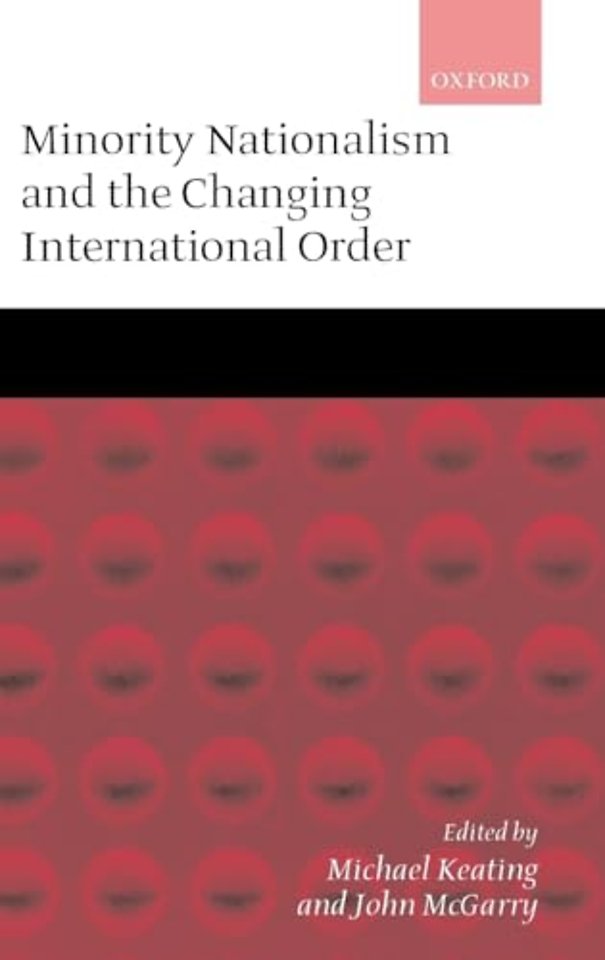
Minority Nationalism and the Changing International Order
Samenvatting
Globalization and European integration are sometimes seen as the enemies of nationalism, sweeping away particularisms and imposing a single economic, cultural and political order. The book argues on the contrary that, by challenging the 'nation-state' as the sole basis for identity and sovereignty, they open the way for a variety of claims by stateless nations. It is certainly true that recent years have seen a strong recurrence of nationalist claims, in Europe and in other parts of the world. At the same time, however, globalization and European integration provide new ways of managing nationality claims. At one level, they lower the stakes in independence and might permit peaceful transitions to independence. Yet they may also make independence in the traditional sense less important and provide ways in which multiple and conflicting nationality claims could be accommodated in new political structures. The chapters in this collection consider these issues from a theoretical perspective and through case studies of stateless nationalisms in western, eastern and central Europe, the former Soviet Union and Quebec. They record a wide variety of experiences and show that, while there are no easy answers to conflicting national claims, there is reason to believe that they can be managed through democratic political processes.
Specificaties
Anderen die dit kochten, kochten ook
-
 Eric van 't Zelfde€ 20,99
 -
Pepijn Dousi€ 32,50
-
Bram Schaper€ 24,99
-
Gijsbrecht Sies€ 12,99
-
Richard Lewis€ 12,95
-
David Mandel€ 36,50