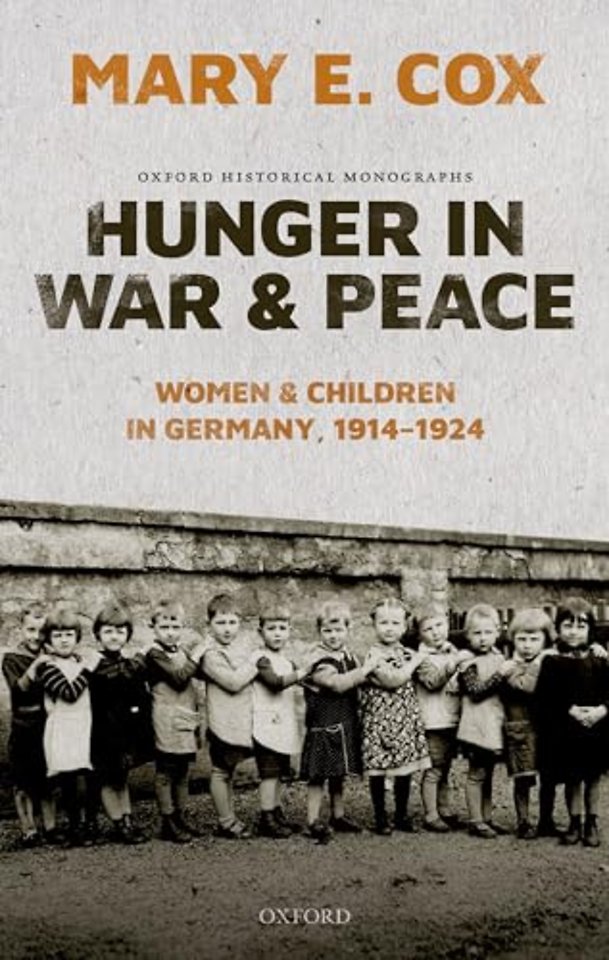
Hunger in War and Peace
Women and Children in Germany, 1914-1924
Samenvatting
At the outbreak of the First World War, Great Britain quickly took steps to initiate a naval blockade against Germany. In addition to military goods and other contraband, foodstuffs and fertilizer were also added to the list of forbidden exports to Germany. As the grip of the Blockade strengthened, Germans complained that civilians-particularly women and children-were going hungry because of it. The impact of the blockade on non-combatants was especially fraught during the eight month period of the Armistice when the blockade remained in force. Even though fighting had stopped, German civilians wondered how they would go through another winter of hunger. The issue became internationalised as civic leaders across the country wrote books, pamphlets, and articles about their distress, and begged for someone to step in and relieve German women and children with food aid. Their pleas were answered with an outpouring of generosity from across the world. Some have argued, then and since, that these outcries were based on gross exaggerations based more on political need rather than actual want. This book examines what the actual nutritional statuses of women and children in Germany were during and following the War. Mary Cox uses detailed height and weight data for over 600,000 German children to show the true measure of overall deprivation, and to gauge infant recovery.