, , , , , e.a.

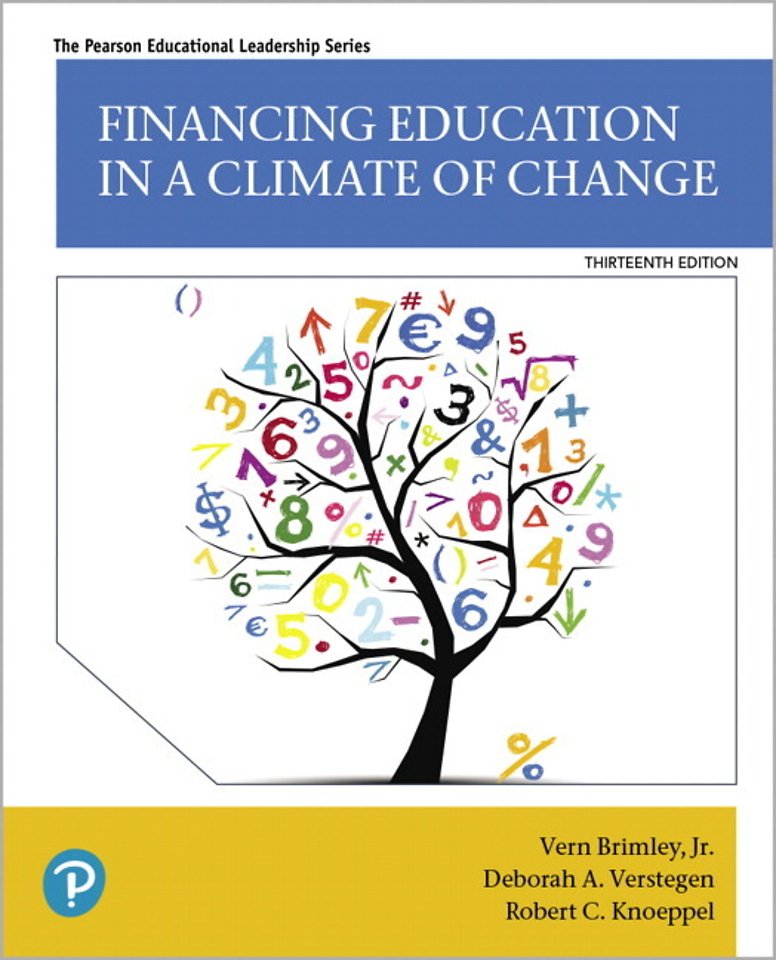
Financing Education in a Climate of Change

Specificaties
Paperback, blz. | Engels
Pearson Education | e druk, 2019
ISBN13: 9780135180068
Rubricering
Pearson Education e druk, 2019 9780135180068
€ 165,34
Levertijd ongeveer 8 werkdagen

Samenvatting

For courses in school finance (educational administration and leadership) and graduate courses in educational administration, public finance, and business administration.
A user-friendly, practical examination of the issues impacting education finance today
Retaining the practical tone and superior presentation that made the previous editions best sellers, this new edition of Financing Education in a Climate of Change presents the most up-to-date information and material available in the dynamic field of school finance. Easy-to-understand tables and figures, thought provoking end-of-chapter assignments, new chapter learning objectives, and practical budget and accounting examples help readers gain a firmer understanding of all facets of financing education. The 13th Edition adds information on classic and current topics, including the economics of education, recent court decisions, 50-state comparison tables, state taxes, and the ongoing debate about school vouchers, tax credits, church-state issues, and charter schools.

Specificaties

ISBN13:9780135180068
Taal:Engels
Bindwijze:Paperback

Inhoudsopgave

<ol> <li><strong>The Economics of Education</strong> <ul> <li>Education as Human Capital</li> <li>Creation of Wealth and Education</li> <li>Education: An Important Industry</li> <li>A Public-Sector Responsibility</li> <li>Economics and Social Progress</li> <li>Economic Benefits of Education</li> <li>Noneconomic Benefits of Education</li> <li>Cost-Quality Relationship in Education: Does Money Matter?</li> </ul></li> <li><strong>The Need for Adequate Funds</strong> <ul> <li>Adequacy and the Factors Impacting It</li> <li>Education Deserves High Priority</li> <li>The Public Wants Good Schools</li> <li>The Increasing Costs of Education</li> <li>Spending on Education and the Size of the Enterprise</li> <li>Impacts on the Cost of Providing an Adequate Education</li> <li>What is the Cost of an Adequate Education?</li> <li>A Failure to Provide Opportunity and Associated Costs</li> <li>Society Suffers the Effects of Poor Education</li> </ul></li> <li><strong>Financing Education Equitably</strong> <ul> <li>Inequalities in Financing Education</li> <li>Equity: An Objective of School Finance Reform</li> <li>Measures of School District Wealth</li> <li>Income Tax</li> <li>Historical Influences on Equity</li> <li>The Equalization Principal</li> <li>Improving State Equalization Practices</li> <li>Foundation Programs and Variations</li> <li>The Impact of Average Daily Attendance on Equity</li> <li>The Changing Climate and Current School Finance Practices</li> </ul></li> <li><strong>Patterns for School Finance Systems</strong> <ul> <li>Developing Patterns</li> <li>Determining the Best Finance Plan</li> <li>Full State Funding</li> <li>District Power Equalization</li> <li>Property Reassessment and Local District Revenues</li> <li>Emphasis on Weighting Factors</li> <li>Principal Types of Weights</li> </ul></li> <li><strong>Sources of Revenue</strong> <ul> <li>Education- Financed by Government</li> <li>The Taxation System</li> <li>Characteristics of a Good Tax System</li> <li>Taxes for Education</li> <li>Income Tax</li> <li>Sales Tax</li> <li>Property Tax</li> <li>Excise Tax</li> <li>Severance Tax</li> <li>Other Funding Sources</li> <li>Potential New Taxes</li> </ul></li> <li><strong>Education: A State Function</strong> <ul> <li>Early Development of State Responsibility</li> <li>Development of Decentralized Educational Systems</li> <li>Development of School Finance Policies</li> <li>Developmental Stages of School Finance</li> <li>The Varying State Programs</li> <li>State Ability to Support Education</li> </ul></li> <li><strong>Eroding Local Control</strong> <ul> <li>Changing Rural-Urban Influence on Education</li> <li>Basic School District Administrative Units</li> <li>The Administration of Local School Districts</li> <li>Advantages of Local Control</li> <li>Fiscal Independence of School Districts</li> <li>Trends in Local Taxation Practices</li> <li>Measures of Local Taxpaying Ability</li> <li>Local, State, and Federal Tax Responsibility</li> </ul></li> <li><strong>Federal Interest in Education </strong> <ul> <li>Federalism</li> <li>Historical Role of the Federal Government</li> <li>U.S. Department of Education</li> <li>Constitutional Role</li> <li>Block Grants, Categorical Aid, and General Aid</li> <li>Federal Expenditures</li> <li>Fiscal Advantages and Disadvantages</li> <li>Increased Government Service</li> <li>The Future of Federal Aid to Education</li> </ul></li> <li><strong>The Influence and Climate of the Courts</strong> <ul> <li>Three Waves of School Finance Litigation</li> <li>The First Wave of School Finance Litigation</li> <li>The Second Wave of School Finance Litigation</li> <li>The Third Wave of School Finance Litigation: A Shift from Equity to Adequacy?</li> <li>Second-Generation Adequacy Cases</li> <li>Impact of School Finance Litigation over Time</li> <li>Pressure for Reform</li> <li>Finance Reform or Tax Reduction?</li> <li>Court Decision Guidelines</li> </ul></li> <li><strong>Public Funds and Nonpublic Schools</strong> <ul> <li>History</li> <li>Educational Choice</li> <li>The Law and Church-State Relations</li> </ul></li> <li><strong>Financing School Facilities</strong> <ul> <li>The Need</li> <li>Early Capital-Outlay Programs</li> <li>Capital-Outlay Court Decisions</li> <li>State Support</li> <li>Equity in Financing Educational Facilities</li> <li>The Federal Government and Capital Outlays</li> <li>Capital-Outlay Finance Plans</li> <li>School Bonding Practices</li> <li>Other Alternatives</li> <li>Impact Fees</li> <li>Sales Taxes</li> <li>Future Policies for School Facilities</li> </ul></li> <li><strong>Administering the District and School Budget</strong> <ul> <li>Evolution of Budgetary Practices</li> <li>Development of a Systems Approach to Budgeting</li> <li>District and School Budgetary Approaches</li> <li>District-Level Budgetary Practices</li> <li>Administering the District Budget</li> <li>School/District Coordination</li> <li>Budgeting at the School Level</li> <li>Challenge of Leadership</li> </ul></li> <li><strong>Accounting and Auditing</strong> <ul> <li>The School Accounting System</li> <li>The Changing Accounting Environment</li> <li>Comprehensive Annual Financial Report</li> <li>Characteristics of Governmental (Fund) Accounting</li> <li>Encumbrance Accounting</li> <li>Cost Accounting</li> <li>Accrual Accounting</li> <li>Receiving and Depositing Funds</li> <li>Expending School Funds</li> <li>Auditing</li> <li>Protecting School Funds</li> </ul></li> <li><strong>Business Aspects of the School Community</strong> <ul> <li>Increased Safety Hazards</li> <li>The Business Office</li> <li>Supplies and Equipment</li> <li>Purchasing</li> <li>Supply Management</li> <li>Risk Management</li> <li>Transportation</li> <li>School Food Services</li> </ul></li> <li><strong>Human Resources and School Finance</strong> <ul> <li>The Expanded Role of Human Resources Administration</li> <li>Teacher Compensation</li> <li>Certification</li> <li>Pay-for-Performance— Merit Pay</li> <li>Additional Issues</li> <li>Teachers and School Finance</li> <li>The Changing Assignments of Teachers</li> <li>Administrative and Supervisory Salaries</li> <li>Noncertified Personnel Salaries</li> <li>Payroll Policies and Procedures</li> <li>Government Influence</li> </ul></li> <li><strong>The Road Ahead in School Finance</strong> <ul> <li>The Future of Public School Finance</li> <li>Unresolved Issues</li> <li>Some Characteristics of Educational Structure</li> <li>School Finance Goals</li> <li>The Challenge</li> <li>Some Characteristics of Educational Structure</li> <li>School Finance Goals</li> <li>The Challenge</li> </ul></li> </ol>
€ 165,34
Levertijd ongeveer 8 werkdagen

Rubrieken

    Personen

      Trefwoorden

        Financing Education in a Climate of Change