, ,

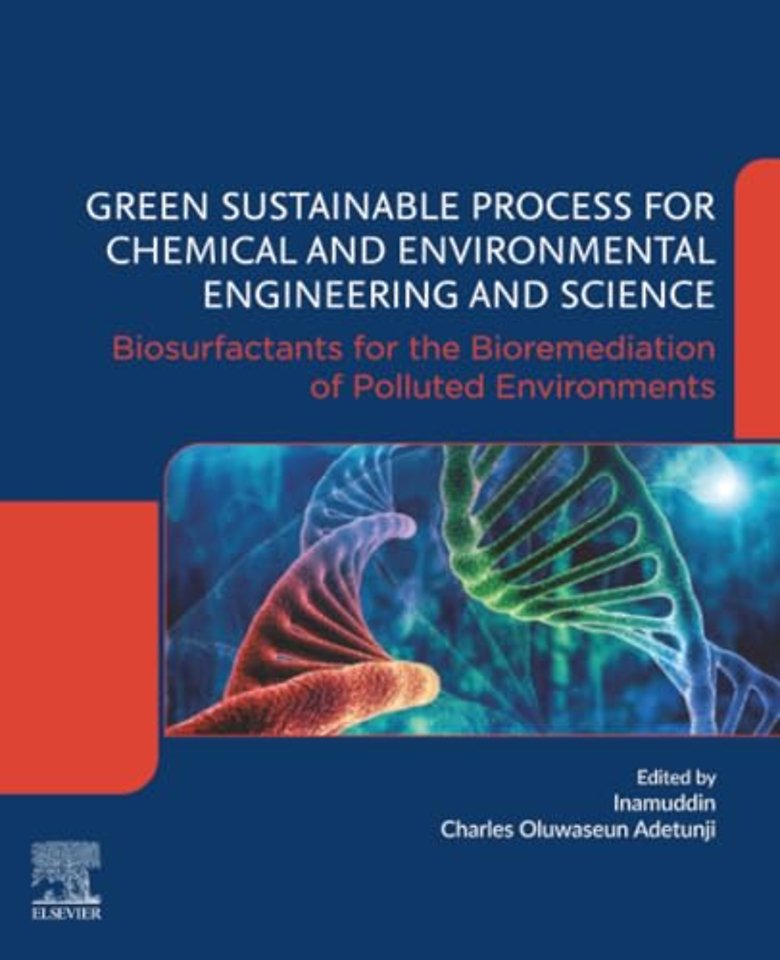
Green Sustainable Process for Chemical and Environmental Engineering and Science

Biosurfactants for the Bioremediation of Polluted Environments

Specificaties
Paperback, blz. | Engels
Elsevier Science | e druk, 2021
ISBN13: 9780128226964
Rubricering
Elsevier Science e druk, 2021 9780128226964
€ 243,40
Levertijd ongeveer 8 werkdagen

Samenvatting

Green Sustainable Process for Chemical and Environmental Engineering and Science: Biosurfactants for the Bioremediation of Polluted Environments explores the use of biosurfactants in remediation initiatives, reviewing knowledge surrounding the creation and application of biosurfactants for addressing issues related to the release of toxic substances in ecosystems. Sections cover their production, assessment and optimization for bioremediation, varied pollutant degradation applications, and a range of contaminants and ecological sites. As awareness and efforts to develop greener products and processes continues to grow, biosurfactants are garnering more attention for the potential roles they can play in reducing the use and production of more toxic products.

Drawing on the knowledge of its expert team of global contributors, this book provides useful insights for all those currently or potentially interested in developing or applying biosurfactants in their own work.

Specificaties

ISBN13:9780128226964
Taal:Engels
Bindwijze:Paperback

Inhoudsopgave

<p>Part 1: Production, Assessment and Optimization of Biosurfactants for Bioremediation<br>1. Isolation, screening, and characterization of biosurfactant-producing microorganism that can biodegrade heavily polluted soil<br>2. Mass production of active metabolites/biosurfactants from microorganisms isolated from polluted, agricultural, or uncultured soil, and their utilization for eco-restoration of polluted soil<br>3. Assessing the presence of hydrocarbon-biodegrading bacteria using multiplex primers/Geochip<br>4. Optimization, modelling, prediction, and kinetics of key factors supporting the biodegradation process after treatment with biosurfactants<br>5. Environmental impact assessment of polluted soil using biosurfactants<br>6. Validation of eco-restored soil after treatment with biosurfactants</p> <p>Part 2: Remediation and Degradation Applications<br>7. Bioremediation of Polythenes and Plastics using biosurfactants<br>8. Application of biosurfactants for treatment of effluent waste, polluted water, wastewater and sewage sludge<br>9. Application of biosurfactants and their combination with nanomaterials in the purification of polluted and contaminated water<br>10. Application of biosurfactants for biosorption in heavily contaminated soil and water<br>11. Eco-restoration and Nanobioremediation of polluted soil using nanomaterials synthesized from biosurfactant<br>12. Relevance of CRISPR Genetic Engineering for the enhancement of Xenobiotic Degradation and ecorestoration potential of heavily polluted soil<br>13. Application of biosurfactants as a non-invasive stimulant to enhance the degradation activities of the indigenous hydrocarbon degraders in soil<br>14. Biotransformation of polluted soil when treated with biosurfactants: petroleum hydrocarbons, polycyclic aromatic hydrocarbons, and pesticides<br>15. Application of biosurfactants in the extraction of bitumen from tar sands</p>
€ 243,40
Levertijd ongeveer 8 werkdagen

Rubrieken

    Personen

      Trefwoorden

        Green Sustainable Process for Chemical and Environmental Engineering and Science