, ,

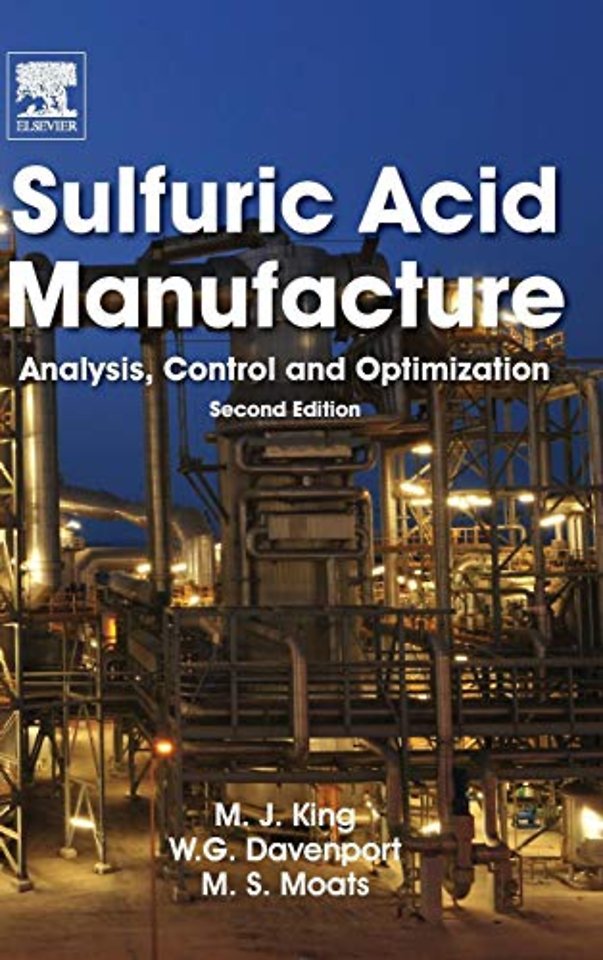
Sulfuric Acid Manufacture

Analysis, Control and Optimization

Specificaties
Gebonden, blz. | Engels
Elsevier Science | e druk, 2013
ISBN13: 9780080982205
Rubricering
Elsevier Science e druk, 2013 9780080982205
€ 179,80
Levertijd ongeveer 8 werkdagen

Samenvatting

By some measure the most widely produced chemical in the world today, sulfuric acid has an extraordinary range of modern uses, including phosphate fertilizer production, explosives, glue, wood preservative and lead-acid batteries. An exceptionally corrosive and dangerous acid, production of sulfuric acid requires stringent adherence to environmental regulatory guidance within cost-efficient standards of production.

This work provides an experience-based review of how sulfuric acid plants work, how they should be designed and how they should be operated for maximum sulfur capture and minimum environmental impact. Using a combination of practical experience and deep physical analysis, Davenport and King review sulfur manufacturing in the contemporary world where regulatory guidance is becoming ever tighter (and where new processes are being required to meet them), and where water consumption and energy considerations are being brought to bear on sulfuric acid plant operations. This 2e will examine in particular newly developed acid-making processes and new methods of minimizing unwanted sulfur emissions.

The target readers are recently graduated science and engineering students who are entering the chemical industry and experienced professionals within chemical plant design companies, chemical plant production companies, sulfuric acid recycling companies and sulfuric acid users. They will use the book to design, control, optimize and operate sulfuric acid plants around the world.

Specificaties

ISBN13:9780080982205
Taal:Engels
Bindwijze:Gebonden

Inhoudsopgave

<p>1. Overview<br>2. Production and Consumption<br>3. Sulfur Burning<br>4. Metallurgical Offgas Cooling and Cleaning<br>5. Regeneration of Spent Sulfuric Acid<br>6. Dehydrating Air and Gases with Strong Sulfuric Acid<br>7. Catalytic Oxidation of SO<SUB>2</SUB> to SO<SUB>3<br></SUB>8.SO<SUB>2</SUB> Oxidation Catalyst and Catalyst Beds<br>9. Production of H<SUB>2</SUB>SO<SUB>4</SUB>(ℓ) from SO<SUB>3</SUB>(g)<br>10. Oxidation of SO<SUB>2</SUB> to SO<SUB>3</SUB> – Equilibrium Curves<br>11. SO<SUB>2</SUB> Oxidation Heatup Paths<br>12. Maximum SO<SUB>2</SUB> Oxidation: Heatup Path-Equilibrium Curve Intercepts<br>13. Cooling 1<SUP>st</SUP> Catalyst Bed Exit Gas<br>14. 2<SUP>nd</SUP> Catalyst Bed Heatup Path<br>15. Maximum SO<SUB>2</SUB> Oxidation in a 2<SUP>nd</SUP> Catalyst Bed<br>16. 3<SUP>rd</SUP> Catalyst Bed SO<SUB>2</SUB> Oxidation<br>17. SO<SUB>3</SUB> and CO<SUB>2</SUB> in Feed Gas<br>18. 3 Catalyst Bed Acid Plants<br>19. After-H<SUB>2</SUB>SO<SUB>4</SUB>-Making SO<SUB>2</SUB> Oxidation<br>20. Optimum Double Contact Acidmaking<br>21. Enthalpies and Enthalpy Transfers<br>22. Control of Gas Temperature by Bypassing<br>23. H<SUB>2</SUB>SO<SUB>4</SUB> Making<br>24. Acid Temperature Control and Heat Recovery<br>25. Making Sulfuric Acid from Wet Feed Gas<br>26. Other New Sulfuric Acid Manufacturing Processes<br>27. SO<SUB>3</SUB> Gas Recycle for High SO<SUB>2</SUB> Concentration Gas Treatment<br>28. Sulfur-from-Tailgas Removal Processes<br>29. Minimizing Sulfur Emissions<br>30. Optim</p>
€ 179,80
Levertijd ongeveer 8 werkdagen

Rubrieken

    Personen

      Trefwoorden

        Sulfuric Acid Manufacture