,

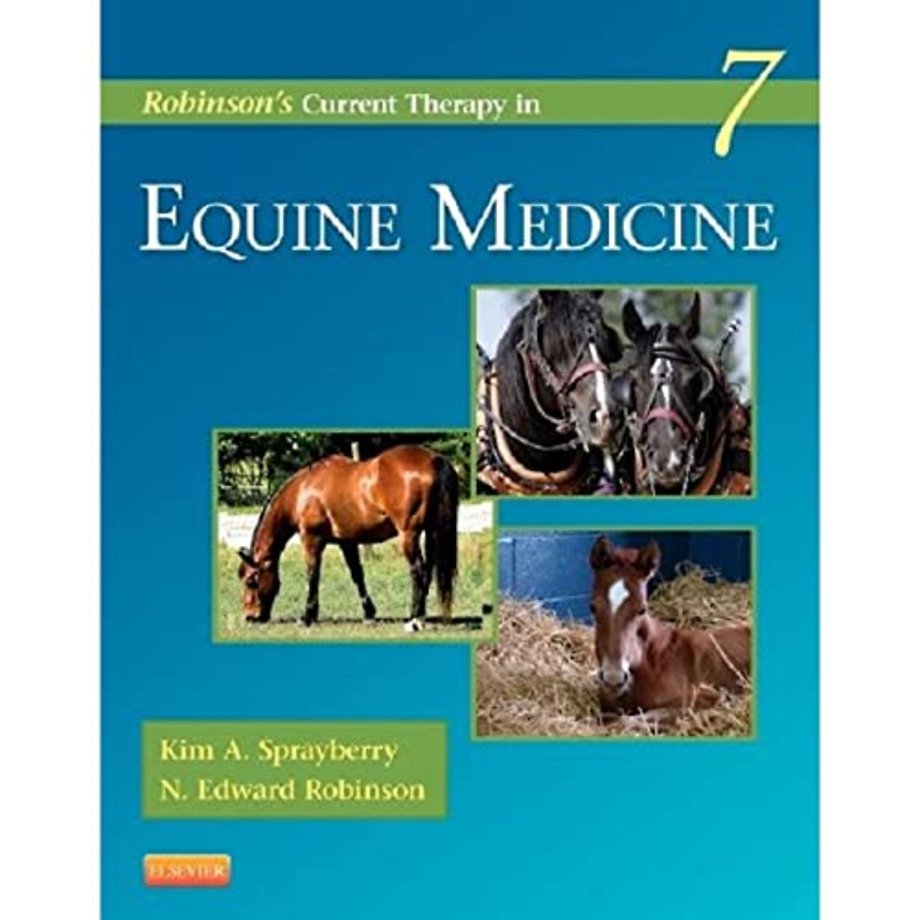
Robinson's Current Therapy in Equine Medicine

Specificaties
Gebonden, blz. | Engels
Elsevier Health Sciences | e druk, 2014
ISBN13: 9781455745555
Rubricering
Elsevier Health Sciences e druk, 2014 9781455745555
Onderdeel van serie Current Veterinary Therapy
€ 223,49
Levertijd ongeveer 8 werkdagen

Samenvatting

With coverage of current issues and the latest therapeutic advances, Robinson’s Current Therapy in Equine Medicine, Volume 7 provides a concise, all-new reference for the management of equine disorders and conditions. Chapters emphasize the practical aspects of diagnosis and treatment and provide details for therapeutic regimens. This new volume brings you thorough coverage and authoritative advice on selected topics in areas that have seen significant advances in the last five years. Cutting-edge topics include emerging and exotic infectious diseases that may endanger horses in North America; biosecurity strategies; imaging updates; medical genetics; multimodal pain management; and regenerative, geriatric, and oncologic medicine. A logical body-system organization will save you time in finding the information you need. From well-known editors Kim Sprayberry and N. Edward Robinson, with chapters written by nearly 200 equine experts, this invaluable reference provides unparalleled guidance on the latest issues in equine medicine. Key topics include all-new coverage of the latest developments in imaging, biosecurity strategies for individual horse owners and owners of commercial farms and stables, diseases affecting horses at various ages, and a review of colic and other GI tract conditions. A recognized panel of nearly 200 expert contributors represents thriving private equine practices, referral hospitals, and academia, and provides insight on challenges, developments, and differing perspectives from around the world. A succinct approach is used to discuss pathophysiology and diagnosis, but therapeutics are covered in detail. The Current Therapy format focuses on emerging trends, treatment protocols, and diagnostic updates new to the field, providing timely information on the latest advances in equine medicine. A body systems organization makes it easy to find solutions for specific disorders. Suggested readings at the end of each chapter cite peer-reviewed articles and other sources for further research and study. ALL-NEW topics provide updates on infectious diseases, including herpesvirus, equine granulocytic anaplasmosis, and lawsonia infection and proliferative enteropathy; pain diagnosis and multimodal management; management of thoracic and airway trauma, imaging, endoscopy, and other diagnostic procedures for the acute abdomen; and neurologic injury. 212 concise, NEW chapters include both a succinct guide to diagnosis of disorders and a detailed discussion of therapy. NEW images demonstrate advances in various imaging techniques. Thoroughly updated drug appendices, including all-new coverage of drug dosages for donkeys and mules, provide a handy, quick reference for the clinical setting.  

Specificaties

ISBN13:9781455745555
Taal:Engels
Bindwijze:Gebonden

Inhoudsopgave

Section I: Trauma<br>1. Trailer accidents<br>2. Pain management in the trauma patient<br>3. Internal hemorrhage and resuscitation<br>4. Thoracic and airway trauma<br>5. First aid care of limb injuries<br>6. Extensive skin loss/Degloving injury<br>7. Crush injuries and compartment syndrome<br>8. Penetrating Wounds of Synovial Structures<br>9. Acute neurological injury<br>10. Ocular trauma<br>11. Burn injuries<br>Section II: Pain control<br>12. Recognition of pain<br>13. Analgesic Pharmacology<br>14. Pain control for laminitis<br>15. Post-operative pain control<br>16. Spinal anesthesia and analgesia<br>17. Acupuncture for pain control<br>Section III: Sports medicine<br>18. Evaluation of the horse for poor performance<br>19. Cardiovascular disease in poor performance<br>20. Upper airway obstructions<br>21. Heat stress and hyperthermia<br>22. Managing back pain<br>23. Neck pain and stiffness<br>24. Electrotherapy in horse rehabilitation<br>25. Regenerative medicine in orthopedics<br>26. Impact of FEI rules on sport horse medication<br>27. Older horse sports medicine<br>28. Surfaces and injury<br>Section IV: Infectious disease<br>29. Biosecurity in hospitals<br>30. Biosecurity on horse farms<br>31. Managing an outbreak of infectious disease<br>32. PCR in infectious disease diagnosis and management<br>33. Antimicrobial update<br>34. African horse sickness<br>35. West Nile virus<br>36. Gamma herpesviruses (EHV5 and EHV2)<br>37. Equine alpha herpesviruses<br>38. Equine Rhinitis Virus Infection<br>39. World status of equine influenza: impact on vaccination<br>40. Rabies<br>41. Strangles<br>42. Leptospirosis<br>43. Screening herds for Lawsonia<br>44. Corynebacterium pseudotuberculosis infection (local and systemic)<br>45. Equine protozoal myelitis<br>46. Rickettsial Diseases<br>47. Vaccination programs<br>Section V: Respiratory disease<br>48. Diagnostic procedures for lower airway disease<br>49. Investigating respiratory disease outbreaks<br>50. Diseases of the nasal cavity and paranasal sinuses<br>51. Dynamic endoscopy<br>52. Recurrent laryngeal neuropathy<br>53. Laryngeal Ultrasound<br>54. Dorsal displacement of the soft palate<br>55. Pharyngeal collapse<br>56. How to manage air quality in stables<br>57. Hemoptysis and epistaxis <br>58. EIPH<br>59. RAO and IAD <br>60. Severe pneumonia and ARDS<br>61. Hypertrophic Osteopathy<br>Section VI: Gastrointestinal disease<br>62. Donkey dental disease<br>63. Esophageal disease<br>64. Gastric ulcers<br>65. Gastric impaction<br>66. Hepatic diseases in the horse<br>67. Anterior enteritis<br>68. Acute equine colitis<br>69. Antimicrobial-associated diarrhea<br>70. Imaging, endoscopy, and other diagnostic procedures for the acute abdomen<br>71. Managing colic in the field<br>72. Infiltrative Bowel Diseases of the Horse<br>73. Diagnostic approach to protein-losing enteropathies<br>74. Medical Management of Large (Ascending) Colon Colic<br>75. Small bowel colic<br>76. Donkey colic<br>77. Parasite screening and control<br>78. Adhesions<br>79. Lawsonia infection and proliferative enteropathy<br>80. Peritonitis<br>Section VII: Neurology<br>81. Brainstem<br>82. Cervical vertebral stabilization<br>83. Cranial nerves<br>84. CSF standing tap<br>85. Dysphagia<br>86. Horner's syndrome<br>87. Seizure disorders<br>88. Forebrain disease<br>89. Equine Neuroaxonal Dystrophy<br>90. Neurological herpesvirus<br>91. Neurologic consequences of Lyme disease<br>92. Neuromuscular diseases<br>93. Sleep disorders and alterations in mentation<br>94. Cervical vertebral canal endoscopy<br>95. Diagnosis of ventral cranial trauma<br>Section VIII: Oncology<br>96. Lymphoma<br>97. Paraneoplastic syndromes<br>98. Squamous cell carcinoma of the penis and prepuce<br>99. Equine sarcoid<br>100. Splenic tumors and other soft tissue tumors<br>101. Mammary tumors<br>Section IX: Urinary tract disease<br>102. Examination of the urinary system<br>103. Polyuria polydipsia<br>104. Urinary Incontinence<br>105. Congenital disorders of the urinary tract<br>106. Urinary tract infection and bladder displacement<br>107. Ureteral disease<br>108. Urolithiasis<br>109. Hematuria<br>110. Acute Kidney Injury<br>111. Chronic Kidney Disease<br>Section X: Hematology<br>112. Anemia<br>113. Equine infectious anemia<br>114. Piroplasmosis<br>115. Blood transfusion and transfusion reactions<br>116. Foal Immunodeficiency Syndrome<br>117. Hemolytic disorders<br>118. Disorders of platelets<br>119. Evaluation of hemostasis<br>Section XI: Cardiovascular<br>120. Congenital cardiovascular conditions<br>121. Investigation of cardiac arrhythmias<br>122. Cardiac murmurs<br>123. Pericardial disease<br>Section XII: Dermatology<br>124. Draft horse lymphedema<br>125. Melanoma<br>126. Skin grafting<br>127. Blistering mucosal diseases<br>128. Photosensitivity<br>129. Atopy<br>130. Tick and mite diseases<br>131. Ventral dermatitits<br>132. Hypersensitivity diseases<br>133. Immune-mediated skin disorders<br>134. Congential skin disorders<br>Section XIII: Endocrine and metabolic disease<br>135. Equine metabolic syndrome<br>136. Pituitary pars intermedia dysfunction (pergolide)<br>137. Dyslipidemias<br>138. Older horse endocrinopathies<br>139. Equine Intestinal Hyperammonemia<br>Section XIV: Ophthalmology<br>140. Examination of the eye<br>141. Genetics of eye disease<br>142. Cataract<br>143. Management of corneal ulcer<br>144. Glaucoma <br>145. Fungal keratitis<br>146. Immune-mediated keratopathies<br>147. Eyelid Lacerations<br>148. A diagnostic approach to ocular discharge<br>149. Ocular Squamous cell carcinoma<br>150. Recurrent uveitis<br>Section XV: Reproduction<br>151. Emergencies in stallions<br>152. Breeding Management of the Older Breeding Stallion with Declining Testicular Function<br>153. Diagnosing and managing the cryptorchid<br>154. Scrotal hernia in stallions<br>155. Low sperm count; diagnosis and management of semen for breeding<br>156. Factors affecting fertility rate when using cooled transported semen<br>157. Cryopreservation of stallion semen<br>158. Prepartum emergencies in broodmares<br>159. Postpartum emergencies in broodmares<br>160. Uterine tears<br>161. Ovarian abnormalities<br>162. Hormone therapy<br>163. Bacterial endometritis<br>164. Fungal endometritis<br>165. Mating-induced endometritis<br>166. Uteropexy in older mares<br>167. Embryo transfer<br>168. Placentitides<br>169. Inducing parturition<br>170. Field dystocia<br>171. Retained fetal membranes<br>Section XVI: The Foal<br>172. Diagnostic evaluation of the compromised neonatal foal<br>173. Diarrhea in foals<br>174. Hemopoietic disorders in foals<br>175. Perinatal asphyxia syndrome<br>176. Screening for R Equi<br>177. Sepsis and the SIRS in neonatal foals<br>178. Use of fresh and frozen blood products in foals<br>179. Hernia management<br>180. Gastroduodenal Ulcer Syndrome in Foals <br>181. Colic in young horses<br>182. Anesthesia in foals<br>183. Lameness Originating in the Hoof of Foals<br>184. Uroperitoneum<br>185. Idiopathic hypocalcemia<br>Section XVII: Musculoskeletal<br>186. Managing orthopedic infections<br>187. Joint disease treatment<br>188. Shoulder injuries<br>189. Corrective shoeing for tendon and ligament injury<br>190. Digital flexor tendon laceration and rupture<br>191. Phalangeal subchondral bone cysts<br>192. MRI of the Fetlock<br>193. Meniscal and cruciate injuries<br>194. Injured suspensory ligament<br>195. Sessamoid fracture<br>196. Wounds of the foot<br>197. Keratoma<br>198. Canker<br>199. Navicular Disease and Injuries of the Podotrochlear Apparatus<br>200. Managing acute laminitis<br>201. Chronic laminitis management<br>202. Stress fracture diagnosis in racehorses<br>203. Prevention of musculoskeletal injury in Thoroughbreds<br>204. Bandaging and casting<br>205. Silicosis and the Osteoporosis Syndrome<br>Section XVIII: General<br>206. Aged horse health and welfare<br>207. Fluid therapy in the field<br>208. Protecting the abused/neglected horse<br>209. Postanesthetic Myelopathy<br>210. Resident farm veterinary practice<br>211. Common toxins in equine practice<br>212. Genetic diseases<br>Appendix 1: Table of Common Drugs and Approximate Doses<br>Appendix 2: Donkey Drug Formulary
€ 223,49
Levertijd ongeveer 8 werkdagen

Rubrieken

    Personen

      Trefwoorden

        Robinson's Current Therapy in Equine Medicine