Chundi L. Mandahar
Springer Netherlands
2006e druk, 2006
9781402047244
Multiplication of RNA Plant Viruses
Specificaties
Gebonden, 339 blz.
|
Engels
Springer Netherlands |
2006e druk, 2006
ISBN13: 9781402047244
Rubricering
Levertijd ongeveer 8 werkdagen
Samenvatting
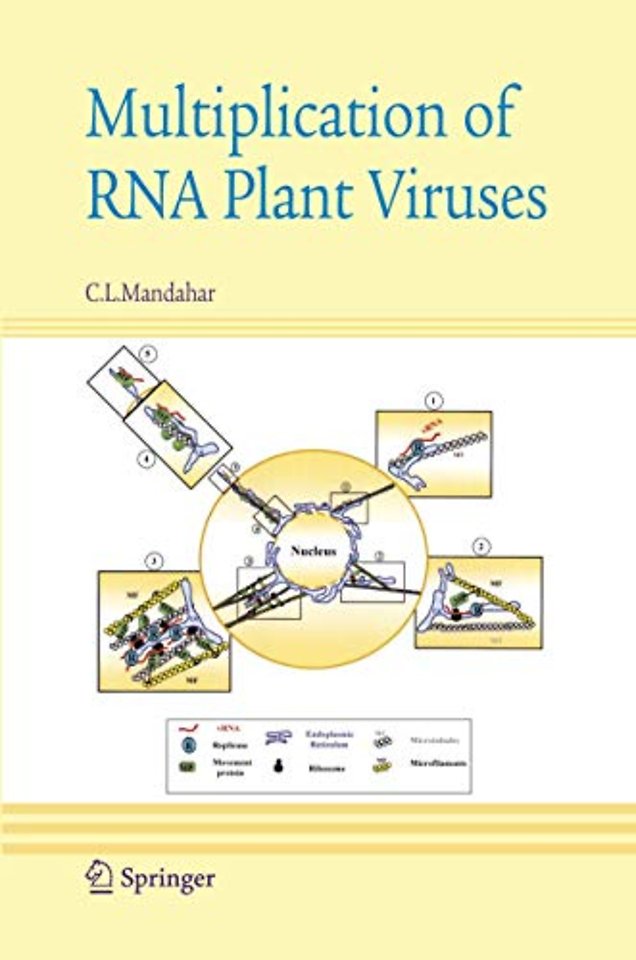
Biochemical studies on plant virus RNA replication have advanced considerably since 2000, primarily because of new genetic, molecular, biochemical, and enzymatic studies. This book generates understanding of multiplication of plus-sense RNA plant viruses, especially at molecular level. Certain virus-encoded essential proteins, nucleotide sequence motifs, and RNA secondary structures are central to virus RNA replication, which has a number of stages. Each is a complex phenomenon requiring specific factors and conditions.
Specificaties
ISBN13:9781402047244
Taal:Engels
Bindwijze:gebonden
Aantal pagina's:339
Uitgever:Springer Netherlands
Druk:2006
Inhoudsopgave
List of Tables. Preface. Acknowledgements.
1. Introduction. I. Positive-Sense RNA viruses. II. Putative Life/Replication Cycle of Plant Viruses. III. Cis-Acting and trans-Acting Viral Nucleotide Sequences. IV. Host Gene Shut-off and Hijacking of Host Cellular Machinery. V. Classification and Nomenclature. VI. Abbreviations. VII. References.
2. Positive-Sense Viral RNA. I. Virus Genome. II. 5’-End. III. 3’-End. IV. Viral Genes. V. Functions of Viral RNA. VI. References.
3. Infection by and Uncoating of Virus Particles. I. Infection. II. Uncoating of Virus Particles. III. References.
4. Replication of Plus-Sense Viral RNA. I. Introduction. II. Models of Viral RNA Replication. III. Negative-Stranded Forms of Replicative RNAs. IV. Double-Stranded Forms of Replicative RNAs. V. Synthesis of Progeny Positive-Strand RNA. VI. Asymmetry in Negative-Strand and Positive-Strand Progeny RNA Synthesis. VII. Time Course of Viral RNA, Viral Protein and Virus Particle Synthesis. VIII. Replication Promotors, Enhancers and Repressors. IX. Template Selection by Cognate Viral Replicases. X. Capsid Protein and Viral RNA Replication. XI. References.
5. RNA-dependant RNA Polymerases and Replicases. I. Introduction. II. Plant Viral Polymerases. III. Specificity. IV. Structure. V. Functions. VI. Classification. VII. References.
6. Helicases. I. Introduction. II. Classification. III. Structure. IV. Function. V. References.
7. Proteinases. I. Introduction. II. Serine and Serine-like Proteinases. III. Papain-like Cysteine Proteinases. IV. Aspartic Proteinases. V. Functions of Proteinases. VI. References.
8. Subgenomic RNAs. I. Introduction. II. Mechanisms of Subgenomic RNA Synthesis. III. Replication of Subgenomic RNA. IV. Subgenomic RNA Promotors. V. Subgenomic RNAs of Some Plant Viruses. VI. Expression of Subgenomic RNAs.VII. Functions of Subgenomic RNAs. VIII. References.
9. Gene Expression. I. Introduction. II. Canonical Translation. III. Translation Strategies of Viral RNAs. IV. Cap-Independent Translation. V. References.
10. Assembly of Virus Particles. I. Introduction. II. Assembly of Rod-Like Virus Particles. III. Assembly of Flexuous Virus Particles. IV. Assembly of Icosahedral Virus Particles. V. Specificity of Virus Assembly. VI. Conclusions. VII. References.
11. Host Factors and Virus Multiplication. I. Introduction. II. Host Proteins and Membranes. III. Functions of Cellular Factors. IV. Sites of Viral RNA Replication. V. Replication Complexes. VI. Membrane-Targeting and Anchoring of Replication Complexes. VII. Vesiculation of Membranes. VIII.
References. Subject Index.
1. Introduction. I. Positive-Sense RNA viruses. II. Putative Life/Replication Cycle of Plant Viruses. III. Cis-Acting and trans-Acting Viral Nucleotide Sequences. IV. Host Gene Shut-off and Hijacking of Host Cellular Machinery. V. Classification and Nomenclature. VI. Abbreviations. VII. References.
2. Positive-Sense Viral RNA. I. Virus Genome. II. 5’-End. III. 3’-End. IV. Viral Genes. V. Functions of Viral RNA. VI. References.
3. Infection by and Uncoating of Virus Particles. I. Infection. II. Uncoating of Virus Particles. III. References.
4. Replication of Plus-Sense Viral RNA. I. Introduction. II. Models of Viral RNA Replication. III. Negative-Stranded Forms of Replicative RNAs. IV. Double-Stranded Forms of Replicative RNAs. V. Synthesis of Progeny Positive-Strand RNA. VI. Asymmetry in Negative-Strand and Positive-Strand Progeny RNA Synthesis. VII. Time Course of Viral RNA, Viral Protein and Virus Particle Synthesis. VIII. Replication Promotors, Enhancers and Repressors. IX. Template Selection by Cognate Viral Replicases. X. Capsid Protein and Viral RNA Replication. XI. References.
5. RNA-dependant RNA Polymerases and Replicases. I. Introduction. II. Plant Viral Polymerases. III. Specificity. IV. Structure. V. Functions. VI. Classification. VII. References.
6. Helicases. I. Introduction. II. Classification. III. Structure. IV. Function. V. References.
7. Proteinases. I. Introduction. II. Serine and Serine-like Proteinases. III. Papain-like Cysteine Proteinases. IV. Aspartic Proteinases. V. Functions of Proteinases. VI. References.
8. Subgenomic RNAs. I. Introduction. II. Mechanisms of Subgenomic RNA Synthesis. III. Replication of Subgenomic RNA. IV. Subgenomic RNA Promotors. V. Subgenomic RNAs of Some Plant Viruses. VI. Expression of Subgenomic RNAs.VII. Functions of Subgenomic RNAs. VIII. References.
9. Gene Expression. I. Introduction. II. Canonical Translation. III. Translation Strategies of Viral RNAs. IV. Cap-Independent Translation. V. References.
10. Assembly of Virus Particles. I. Introduction. II. Assembly of Rod-Like Virus Particles. III. Assembly of Flexuous Virus Particles. IV. Assembly of Icosahedral Virus Particles. V. Specificity of Virus Assembly. VI. Conclusions. VII. References.
11. Host Factors and Virus Multiplication. I. Introduction. II. Host Proteins and Membranes. III. Functions of Cellular Factors. IV. Sites of Viral RNA Replication. V. Replication Complexes. VI. Membrane-Targeting and Anchoring of Replication Complexes. VII. Vesiculation of Membranes. VIII.
References. Subject Index.