,

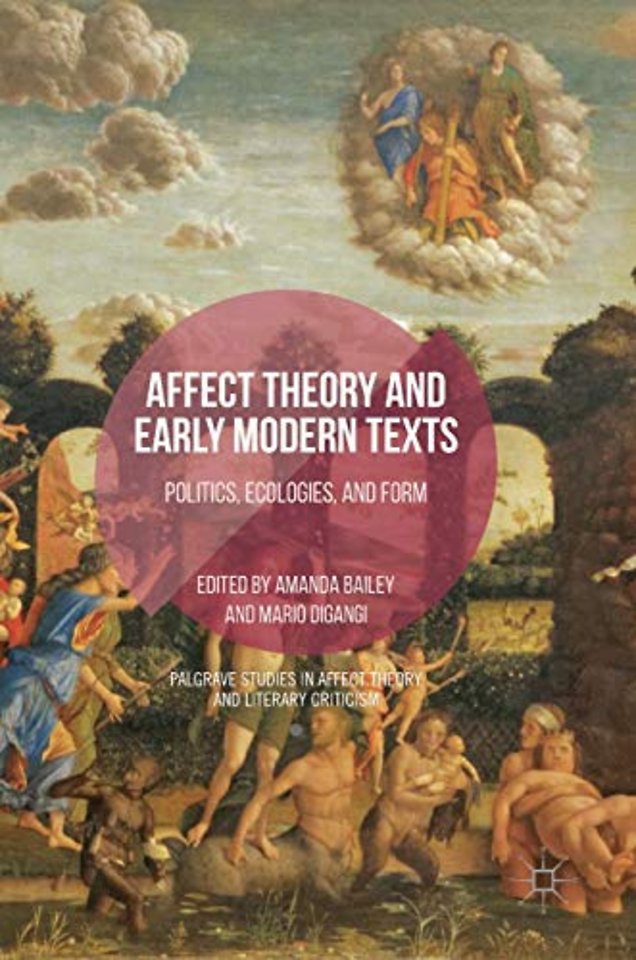
Affect Theory and Early Modern Texts

Politics, Ecologies, and Form

Specificaties
Gebonden, blz. | Engels
Palgrave Macmillan US | e druk, 2017
ISBN13: 9781137570741
Rubricering
Palgrave Macmillan US e druk, 2017 9781137570741
€ 159,59
Levertijd ongeveer 8 werkdagen

Samenvatting

The first book to put contemporary affect theory into conversation with early modern studies, this volume demonstrates how questions of affect illuminate issues of cognition, political agency, historiography, and scientific thought in early modern literature and culture. Engaging various historical and theoretical perspectives, the essays in this volume bring affect to bear on early modern representations of bodies, passions, and social relations by exploring: the role of embodiment in political subjectivity and action; the interactions of human and non-human bodies within ecological systems; and the social and physiological dynamics of theatrical experience. Examining the complexly embodied experiences of leisure, sympathy, staged violence, courtiership, envy, suicide, and many other topics, the contributors open up new ways of understanding how Renaissance writers thought about the capacities, pleasures, and vulnerabilities of the human body. 

Specificaties

ISBN13:9781137570741
Taal:Engels
Bindwijze:gebonden
Uitgever:Palgrave Macmillan US

Inhoudsopgave

<div>.-1 Introduction.-2&nbsp;Speak What We Feel: Sympathy and&nbsp;Statecraft.-3&nbsp;Affective Entanglements and Alternative&nbsp;</div><div>Histories.-4&nbsp;Weird Otium &nbsp;Julian Yates.-5&nbsp;Self-Killing and the Matter of Affect in Bacon and&nbsp;</div><div>Spinoza.-6&nbsp;Thinking-Feeling.-7&nbsp;Crocodile Tears: Affective Fallacies Old and&nbsp;New.-8&nbsp;The Feel of the Slaughterhouse: Affective Temporalities&nbsp;and Marlowe’s Massacre at Paris.-9&nbsp;Spenser’s Envious History.-10&nbsp;Affective Contagion on the Early Modern Stage.-11&nbsp;Afterword &nbsp;</div><div><br></div>
€ 159,59
Levertijd ongeveer 8 werkdagen

Rubrieken

    Personen

      Trefwoorden

        Affect Theory and Early Modern Texts