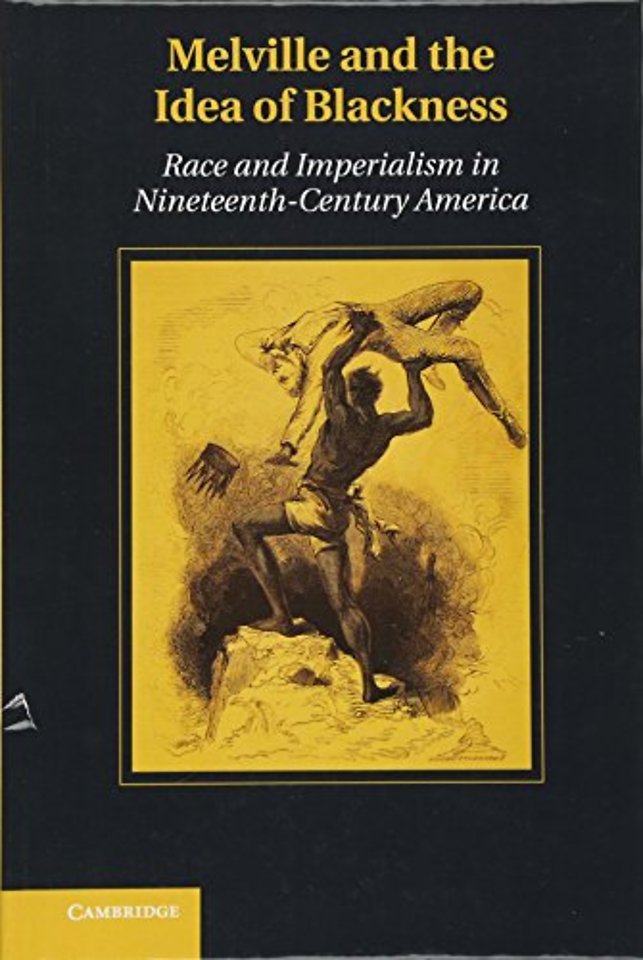

Melville and the Idea of Blackness
Race and Imperialism in Nineteenth-Century America
Samenvatting
By examining the unique problems that 'blackness' signifies in Moby-Dick, Pierre, 'Benito Cereno' and 'The Encantadas', Christopher Freeburg analyzes how Herman Melville grapples with the social realities of racial difference in nineteenth-century America. Where Melville's critics typically read blackness as either a metaphor for the haunting power of slavery or an allegory of moral evil, Freeburg asserts that blackness functions as the site where Melville correlates the sociopolitical challenges of transatlantic slavery and US colonial expansion with philosophical concerns about mastery. By focusing on Melville's iconic interracial encounters, Freeburg reveals the important role blackness plays in Melville's portrayal of characters' arduous attempts to seize their own destiny, amass scientific knowledge and perfect themselves. A valuable resource for scholars and graduate students in American literature, this text will also appeal to those working in American, African American and postcolonial studies.