,

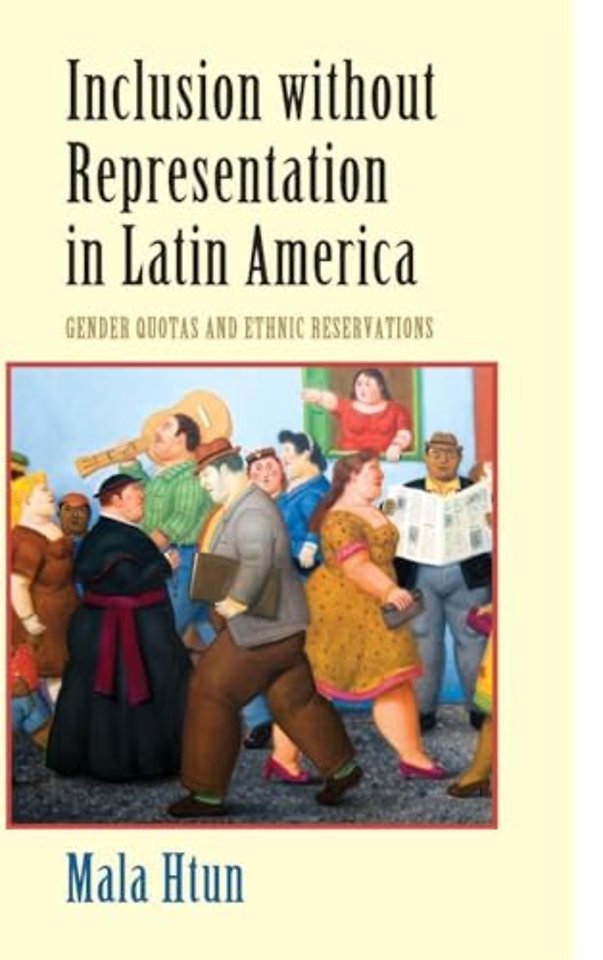
Inclusion without Representation in Latin America

Gender Quotas and Ethnic Reservations

Specificaties
Gebonden, 256 blz. | Engels
Cambridge University Press | e druk, 2016
ISBN13: 9780521870566
Rubricering
Cambridge University Press e druk, 2016 9780521870566
Onderdeel van serie Cambridge Studies in
€ 103,66
Levertijd ongeveer 8 werkdagen

Samenvatting

This book analyzes why and how fifteen Latin American countries modified their political institutions to promote the inclusion of women, Afrodescendants, and indigenous peoples. Through analysis and comparison of experiences in Argentina, Bolivia, Brazil, Chile, Colombia, and Mexico, the book accounts for the origins of quotas and reserved seats in international norms and civic mobilization. It shows how the configuration of political institutions and the structure of excluded groups set the terms and processes of inclusion. Arguing that the new mechanisms have delivered inclusion but not representation, the book demonstrates that quotas and reserved seats increased the presence in power of excluded groups but did not create constituencies or generate civic movements able to authorize or hold accountable their representatives.

Specificaties

ISBN13:9780521870566
Taal:Engels
Bindwijze:Gebonden
Aantal pagina's:256

Inhoudsopgave

Preface and acknowledgements; 1. Introduction: politics of inclusion in Latin America; 2. Women, Afrodescendants, and indigenous peoples in elected office; 3. Gender quotas: why and how? 4. Indigenous reservations and gender parity in Bolivia with Juan Pablo Ossa; 5. The rise and fall of political inclusion in Colombia; 6. Brazil: combatting exclusion through quotas in higher education; 7. After quotas: women's presence and legislative behavior in Argentina with Marina Lacalle and Juan Pablo Micozzi; Conclusion; Appendix 1. List of research trips; Appendix 2. Mechanisms of inclusion.
€ 103,66
Levertijd ongeveer 8 werkdagen

Rubrieken

    Personen

      Trefwoorden

        Inclusion without Representation in Latin America