, , , e.a.

Port Planning and Management Simulation

Specificaties
Paperback, blz. | Engels
Elsevier Science | e druk, 2021
ISBN13: 9780323901123
Rubricering
Elsevier Science e druk, 2021 9780323901123
€ 133,00
Levertijd ongeveer 8 werkdagen

Samenvatting

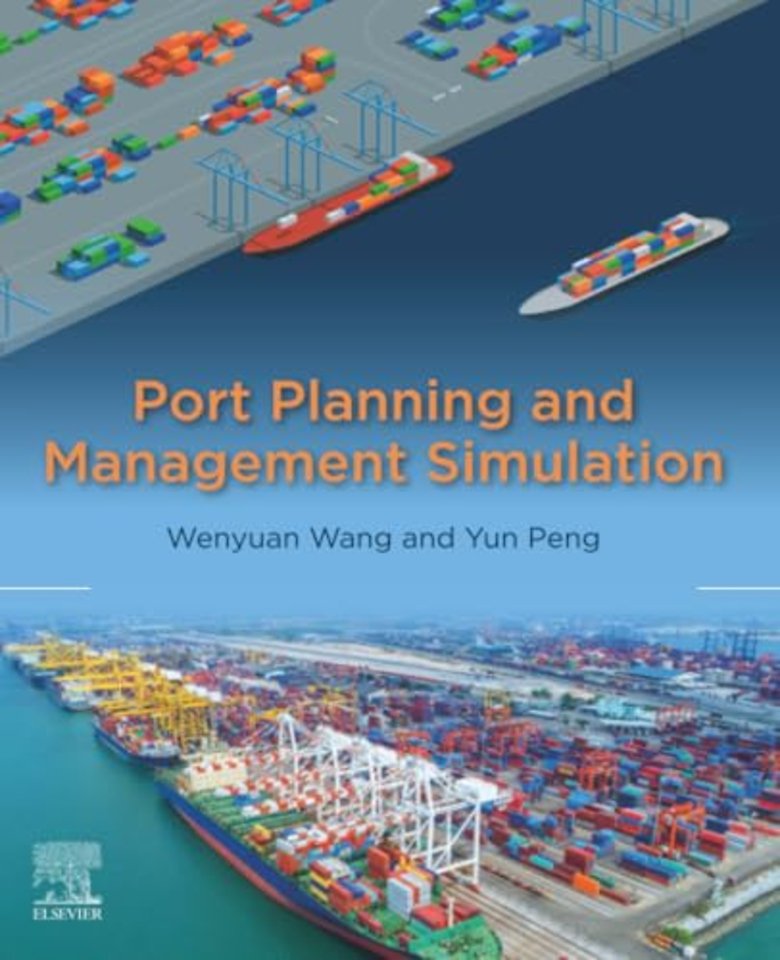
Port Planning and Management Simulation examines port planning simulation applications, showing how they supports better port decision-making. Using a clear organizational format based on actual port system structure and operation processes, the book provides practical and theoretical insights on port planning and management.

The book describes the water, land, collecting and distributing components of the port system, focusing on management, development, and risk mitigation. It examines the key challenges based on discrete system simulation theory that is less affected by local or national regulations. It compares various simulation scenarios for optimal port operational strategy. It quantifies port emissions, analyzes the impact of different reduction strategies, and presents operational strategies for green port planning developmentmand management.

Port Planning and Management Simulation provides guidance for carrying out deep analysis in a complex and dynamic system, providing an integrated solution framework based on simulation techniques for improving efficiency and cost savings of the port system.

Specificaties

ISBN13:9780323901123
Taal:Engels
Bindwijze:Paperback

Inhoudsopgave

<p>Part 1 Port planning and management and simulation application<br>1. To port planning and management from three aspects<br>2. The simulation application in port</p> <p>Part 2 Water area planning, operation, and safe navigation<br>3. An introduction to ships’ operating system<br>4. How simulation techniques can help provide decision support for water area planning<br>5. The influences of different operation strategies<br>6. How simulation can be used for safe navigation</p> <p>Part 3 Land area planning and operation management<br>7. Introduction to the land area operating system<br>8. Land area function layout involving the layout site and the scale for different components<br>9. Traffic impact analysis</p> <p>Part 4 Port-centric collecting and distributing system: planning and management<br>10. Traffic flow under port collecting and distributing network context<br>11. Planning of interchange scheduling based on the simulation-based dynamic programming method<br>12. Management perspective on the application of simulation techniques in optimization</p> <p>Part 5 Emission reduction and alternative energy applications<br>13. An introduction to emission reduction methods and alternative energy applications used in green ports<br>14. Simulation for emission reduction strategies<br>15. Alternative energy applications</p> <p>Part 6 Conclusions and Discussions<br>16. Applying simulation in the port planning and management with an appropriate discussion<br>17. Future work</p> <p>Part 1 Port planning and management and simulation application<br>1. To port planning and management from three aspects<br>2. The simulation application in port</p> <p>Part 2 Water area planning, operation, and safe navigation<br>3. An introduction to ships’ operating system<br>4. How simulation techniques can help provide decision support for water area planning<br>5. The influences of different operation strategies<br>6. How simulation can be used for safe navigation</p> <p>Part 3 Land area planning and operation management<br>7. Introduction to the land area operating system<br>8. Land area function layout involving the layout site and the scale for different components<br>9. Traffic impact analysis</p> <p>Part 4 Port-centric collecting and distributing system: planning and management<br>10. Traffic flow under port collecting and distributing network context<br>11. Planning of interchange scheduling based on the simulation-based dynamic programming method<br>12. Management perspective on the application of simulation techniques in optimization</p> <p>Part 5 Emission reduction and alternative energy applications<br>13. An introduction to emission reduction methods and alternative energy applications used in green ports<br>14. Simulation for emission reduction strategies<br>15. Alternative energy applications</p> <p>Part 6 Conclusions and Discussions<br>16. Applying simulation in the port planning and management with an appropriate discussion<br>17. Future work</p>
€ 133,00
Levertijd ongeveer 8 werkdagen

Rubrieken

    Personen

      Trefwoorden

        Port Planning and Management Simulation