, ,

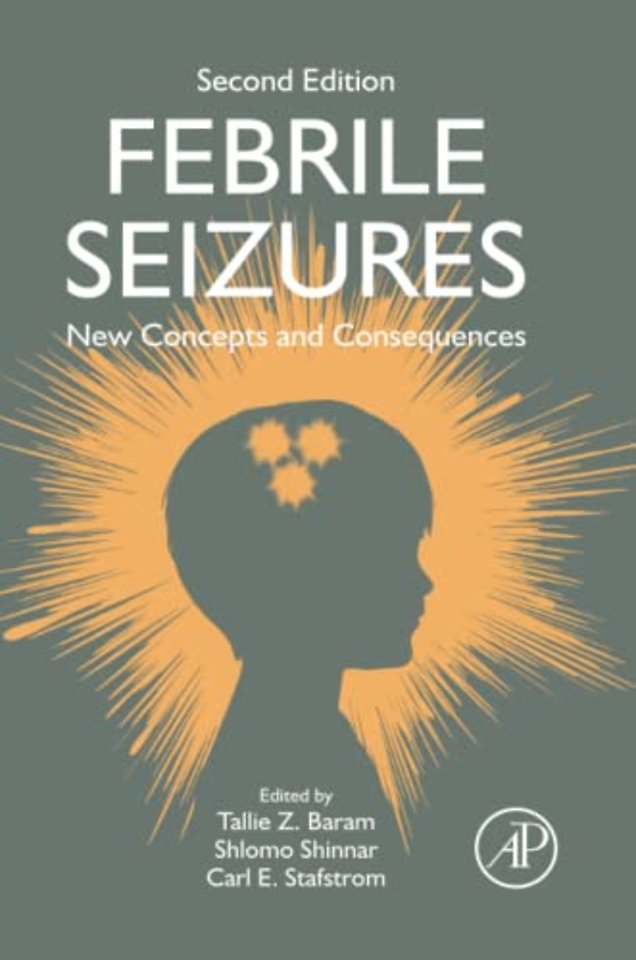
Febrile Seizures

New Concepts and Consequences

Specificaties
Gebonden, blz. | Engels
Elsevier Science | e druk, 2022
ISBN13: 9780323899321
Rubricering
Elsevier Science e druk, 2022 9780323899321
€ 158,20
Levertijd ongeveer 8 werkdagen

Samenvatting

Febrile seizures are the most common seizures in infants and children worldwide, This fact provides strong impetus to study and understand them and their consequences, and consider their treatment. These topics were the focus of the first edition of this book.

The 20 years since the publication of this first edition have witnessed an explosion of new information about febrile seizures, meriting this new edition. Key advances have been made in the genetics and neurobiological underpinnings of febrile seizures and especially the very long fever-related seizures called febrile status epilepticus. The role of neuroinflammatory factors in the emergence of these seizures and their consequences, the demonstration of unique clinical and neuroradiological aspects of febrile status epilepticus, and the prospect of predictive (bio)markers to identify and characterize cognitive and epilepsy outcomes are exciting and important. In this edition, the authors and editors tackle these developments in chapters addressing the questions of parents, physicians, allied health care professionals and basic and translational scientists.

Specificaties

ISBN13:9780323899321
Taal:Engels
Bindwijze:Gebonden

Inhoudsopgave

<p>1. Incidence and prevalence of febrile seizures<br>2. Who gets recurrent febrile seizures (also complex)<br>3. Outcomes of febrile seizures: cognitive and epileptogenesis: B. Genetic and Acquired Syndromes Associated with Febrile Seizures<br>4. The genetic landscape of febrile seizures and GEFS+<br>5. SCN1A and Dravet syndrome<br>6. Other channel syndromes<br>7. FIRES and related syndromes C. Febrile Status Epilepticus<br>8. Epidemiology of FSE<br>9. Neuroimmune aspects of FSE<br>10. FSE and TLE<br>11. FSE and TLE- evolving therapeutic and surgical landscape<br>12. Cognitive outcome of FSE D. The Neurobiology of FS and FSE: experimental approaches<br>13. Why do febrile seizures involve the developing brain?<br>14. Cytokines in FS rat models<br>15. FS and FSE generation in rats and mice E. The Neurobiology of FSE-induced epilepsy and cognitive deficits: Experimental approaches<br>16. The pathogenesis of FSE-induced epilepsy: Neuroinflammation and Epigenetics<br>17. MicroRNAs and Epigenetic processes in FSE-provoked epilepsy<br>18. HCN channels in human and rodent Epileptogenesis induced by FSE<br>19. Cognitive problems following eFSE<br>20. Predicting TLE-like epilepsy – the role of MRI: F. Clinical and Translational Implications of FSE<br>21. MRI for assessing the impact of FSE and predicting outcomes<br>22. EEG for assessing the impact of FSE and predicting outcome G. Management of febrile seizures and FSE- past, present and futures<br>23. Evaluation and Practical Management approaches to simple and complex febrile seizures<br>24. What do we tell parents of a child with simple or complex febrile seizures?<br>25. The future of FS, FSE and their epileptogenic and cognitive outcomes</p>
€ 158,20
Levertijd ongeveer 8 werkdagen

Rubrieken

    Personen

      Trefwoorden

        Febrile Seizures