,

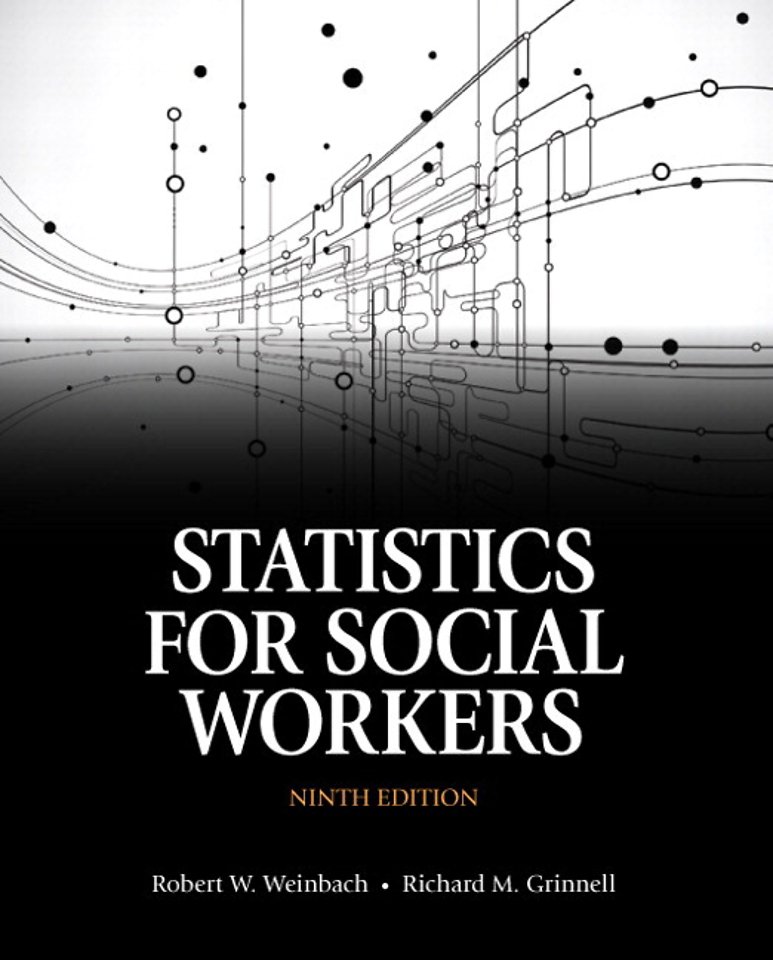
Statistics for Social Workers with Enhanced Pearson eText -- Access Card Package

Specificaties
Paperback, blz. | Engels
Pearson Education | e druk, 2014
ISBN13: 9780133909067
Rubricering
Pearson Education e druk, 2014 9780133909067
€ 207,34
Levertijd ongeveer 8 werkdagen

Samenvatting

This package includes the Enhanced Pearson eText and the bound book


A reader-friendly approach to statistics in social work practice.

Statistics for Social Workers, 9/e familiarizes students with statistical tests and analyses that are most likely to be encountered by social work researchers and practitioners. This reader-friendly title emphasizes the conceptual underpinning of statistical analyses, keeping mathematics and complicated formulae to a minimum. Readers require no prior knowledge of statistics and only basic mathematical competence.


Invigorate learning with the Enhanced Pearson eText
The Enhanced Pearson eText provides a rich, interactive learning environment designed to improve student mastery of content with learning objectives, flashcards, and end of chapter reviews. The Enhanced Pearson eText is also available without a print version.


Instructors, visit pearsonhighered.com/etextbooks to register for your digital examination copy. Students, register for or purchase your eText at pearsonhighered.com/etextbooks.

Specificaties

ISBN13:9780133909067
Taal:Engels
Bindwijze:paperback

Inhoudsopgave

<p style="MARGIN: 0px">In this Section:</p> <p style="MARGIN: 0px">&nbsp;&nbsp;&nbsp;&nbsp;I) Brief Table of Contents</p> <p style="MARGIN: 0px">&nbsp;&nbsp;&nbsp;&nbsp;II) Detailed Table of Contents</p> <p style="MARGIN: 0px">&nbsp; </p> <hr> <p style="MARGIN: 0px"></p> <p style="MARGIN: 0px">I) Brief Table of Contents</p> <p style="MARGIN: 0px">&nbsp;</p> <p style="MARGIN: 0px">Chapter 1. Introduction </p> <p style="MARGIN: 0px">Chapter 2. Frequency Distributions and Graphs</p> <p style="MARGIN: 0px">Chapter 3. Measures of Central Tendency and Variability</p> <p style="MARGIN: 0px">Chapter 4. Normal Distributions</p> <p style="MARGIN: 0px">Chapter 5. Testing Hypotheses </p> <p style="MARGIN: 0px">Chapter 6. Sampling Distributions </p> <p style="MARGIN: 0px">Chapter 7. t Tests and Analysis of Variance&nbsp;&nbsp;&nbsp;&nbsp;&nbsp;&nbsp;&nbsp;&nbsp;&nbsp; </p> <p style="MARGIN: 0px">Chapter 8. The Chi-Square Test of Association between Variables&nbsp;&nbsp;&nbsp;&nbsp;&nbsp;&nbsp;&nbsp; </p> <p style="MARGIN: 0px">Chapter 9. Correlation</p> <p style="MARGIN: 0px">Chapter 10. Regression&nbsp;&nbsp;&nbsp;&nbsp;&nbsp;&nbsp; </p> <p style="MARGIN: 0px">Chapter 11. Other Ways That Statistical Analyses Contribute to Evidence-Based Practice</p> <p style="MARGIN: 0px">&nbsp; </p> <hr> <p style="MARGIN: 0px"></p> <p style="MARGIN: 0px">II) Detailed Table of Contents</p> <p style="MARGIN: 0px">&nbsp;</p> <p style="MARGIN: 0px">Chapter 1. Introduction </p> <p style="MARGIN: 0px">Useful Terms You Will Need to Know</p> <p style="MARGIN: 0px">Measurement iSSUES</p> <p style="MARGIN: 0px">Additional Measurement Classifications&nbsp;&nbsp;&nbsp;&nbsp;&nbsp;&nbsp; </p> <p style="MARGIN: 0px">Research Hypotheses </p> <p style="MARGIN: 0px">Classification of Variables and Their Relationship</p> <p style="MARGIN: 0px">Categories of Statistical Analyses&nbsp;&nbsp;&nbsp; </p> <p style="MARGIN: 0px">Statistics and data collection</p> <p style="MARGIN: 0px">Research designs and statistics</p> <p style="MARGIN: 0px">&nbsp;</p> <p style="MARGIN: 0px">Chapter 2. Frequency Distributions and Graphs</p> <p style="MARGIN: 0px">Frequency Distributions&nbsp;&nbsp;&nbsp;&nbsp;&nbsp;&nbsp; </p> <p style="MARGIN: 0px">Grouped Frequency Distributions&nbsp;&nbsp;&nbsp;&nbsp; </p> <p style="MARGIN: 0px">Using Frequency Distributions to Analyze Data&nbsp;&nbsp;&nbsp;&nbsp;&nbsp; </p> <p style="MARGIN: 0px">Misrepresentation of Data&nbsp;&nbsp;&nbsp; </p> <p style="MARGIN: 0px">Graphs&nbsp;&nbsp;&nbsp;&nbsp;&nbsp;&nbsp;&nbsp;&nbsp;&nbsp; </p> <p style="MARGIN: 0px">A Caution: Computer-generated graphs&nbsp;&nbsp;&nbsp;&nbsp; </p> <p style="MARGIN: 0px">&nbsp;</p> <p style="MARGIN: 0px">Chapter 3. Measures of Central Tendency and Variability</p> <p style="MARGIN: 0px">Measures of Central Tendency</p> <p style="MARGIN: 0px">Measures of Variability&nbsp;&nbsp;&nbsp;&nbsp;&nbsp;&nbsp;&nbsp; </p> <p style="MARGIN: 0px">Other Uses for Central Tendency and Variability&nbsp;&nbsp;&nbsp; </p> <p style="MARGIN: 0px">&nbsp;</p> <p style="MARGIN: 0px">Chapter 4. Normal Distributions</p> <p style="MARGIN: 0px">Skewness&nbsp;&nbsp;&nbsp;&nbsp;&nbsp; </p> <p style="MARGIN: 0px">Kurtosis&nbsp;&nbsp;&nbsp;&nbsp;&nbsp;&nbsp;&nbsp;&nbsp; </p> <p style="MARGIN: 0px">The Normal Curve</p> <p style="MARGIN: 0px">The Standard Normal Distribution</p> <p style="MARGIN: 0px">Converting Raw Scores to z Scores and Percentiles</p> <p style="MARGIN: 0px">Deriving raw Scores From Percentiles</p> <p style="MARGIN: 0px">&nbsp;</p> <p style="MARGIN: 0px">Chapter 5. Testing Hypotheses </p> <p style="MARGIN: 0px">Alternative Explanations for Relationships Within Samples</p> <p style="MARGIN: 0px">Probability and Inference</p> <p style="MARGIN: 0px">Refuting Sampling Error</p> <p style="MARGIN: 0px">Statistical Significance</p> <p style="MARGIN: 0px">Testing the Null Hypothesis</p> <p style="MARGIN: 0px">Errors in Drawing Conclusions About Relationships</p> <p style="MARGIN: 0px">Statistically Significant Relationships and Meaningful Findings</p> <p style="MARGIN: 0px">The Hypothesis Testing process</p> <p style="MARGIN: 0px">&nbsp;</p> <p style="MARGIN: 0px">Chapter 6. Sampling Distributions </p> <p style="MARGIN: 0px">Sample Size and Sampling Error</p> <p style="MARGIN: 0px">What are Sampling Distribution?</p> <p style="MARGIN: 0px">Rejection Regions and hypothesis testing</p> <p style="MARGIN: 0px">Estimating Parameters</p> <p style="MARGIN: 0px">Selecting Statistical Tests&nbsp;&nbsp;&nbsp;&nbsp; </p> <p style="MARGIN: 0px">Deciding Which Test to use&nbsp;&nbsp; </p> <p style="MARGIN: 0px">&nbsp;&nbsp;&nbsp;&nbsp;&nbsp;&nbsp;&nbsp;&nbsp;&nbsp; </p> <p style="MARGIN: 0px">Chapter 7. t Tests and Analysis of Variance&nbsp;&nbsp;&nbsp;&nbsp;&nbsp; </p> <p style="MARGIN: 0px">The use of t Tests&nbsp;&nbsp;&nbsp;&nbsp; </p> <p style="MARGIN: 0px">The One-sample t Test&nbsp;&nbsp;&nbsp;&nbsp;&nbsp;&nbsp;&nbsp; </p> <p style="MARGIN: 0px">The Dependent t Test&nbsp;&nbsp;&nbsp;&nbsp;&nbsp;&nbsp;&nbsp;&nbsp;&nbsp; </p> <p style="MARGIN: 0px">The Independent tTest&nbsp;&nbsp;&nbsp;&nbsp;&nbsp;&nbsp;&nbsp;&nbsp; </p> <p style="MARGIN: 0px">Misuse of t tests</p> <p style="MARGIN: 0px">Simple Analysis of Variance (Simple Anova)&nbsp;&nbsp;&nbsp;&nbsp;&nbsp;&nbsp;&nbsp;&nbsp; </p> <p style="MARGIN: 0px">Multivariate Analysis of Variance&nbsp;&nbsp;&nbsp;&nbsp; </p> <p style="MARGIN: 0px">&nbsp;</p> <p style="MARGIN: 0px">Chapter 8. &nbsp;The Chi-Square Test of Association between Variables&nbsp;&nbsp;&nbsp;&nbsp;&nbsp;&nbsp;&nbsp;&nbsp;&nbsp;&nbsp;&nbsp; </p> <p style="MARGIN: 0px">When Chi-Square is Appropriate</p> <p style="MARGIN: 0px">Cross-Tabulation Tables&nbsp;&nbsp;&nbsp;&nbsp;&nbsp;&nbsp; </p> <p style="MARGIN: 0px">Using Chi-Square </p> <p style="MARGIN: 0px">When Chi-square is not appropriate</p> <p style="MARGIN: 0px">Using chi-square in social work practice</p> <p style="MARGIN: 0px">Cross-Tabulation With Three or More Variables</p> <p style="MARGIN: 0px">Special Applications of The Chi-Square Formula&nbsp;&nbsp;&nbsp;&nbsp; </p> <p style="MARGIN: 0px">&nbsp;&nbsp;&nbsp;&nbsp;&nbsp;&nbsp;&nbsp;&nbsp;&nbsp; </p> <p style="MARGIN: 0px">Chapter 9. Correlation</p> <p style="MARGIN: 0px">Uses of Correlation&nbsp;&nbsp; </p> <p style="MARGIN: 0px">Scattergrams</p> <p style="MARGIN: 0px">Nonperfect Correlations</p> <p style="MARGIN: 0px">Interpreting Linear Correlations&nbsp;&nbsp;&nbsp;&nbsp;&nbsp;&nbsp; </p> <p style="MARGIN: 0px">Using Correlation for inference</p> <p style="MARGIN: 0px">Pearson’S r&nbsp;&nbsp;&nbsp; </p> <p style="MARGIN: 0px">Nonparametric Alternatives to Pearson’S r </p> <p style="MARGIN: 0px">Correlation With Three or More Variables&nbsp;&nbsp; </p> <p style="MARGIN: 0px">Other Multivariate analyses That use Correlation&nbsp;&nbsp; </p> <p style="MARGIN: 0px">&nbsp;</p> <p style="MARGIN: 0px">Chapter 10. Regression&nbsp;&nbsp;&nbsp;&nbsp; </p> <p style="MARGIN: 0px">Prediction and Evidence-Based Practice&nbsp;&nbsp;&nbsp;&nbsp;&nbsp; </p> <p style="MARGIN: 0px">Prediction and Statistical Analysis&nbsp;&nbsp;&nbsp; </p> <p style="MARGIN: 0px">What is Simple Linear Regression?&nbsp;&nbsp; </p> <p style="MARGIN: 0px">Computation of the Regression Equation&nbsp;&nbsp;&nbsp; </p> <p style="MARGIN: 0px">More About the Regression Line&nbsp;&nbsp;&nbsp;&nbsp;&nbsp; </p> <p style="MARGIN: 0px">Interpreting Results&nbsp;&nbsp; </p> <p style="MARGIN: 0px">Using regression in social work practice</p> <p style="MARGIN: 0px">When is regression analysis appropriate</p> <p style="MARGIN: 0px">Regression With Three or More Variables&nbsp;&nbsp; </p> <p style="MARGIN: 0px">Other Types of Regression Analyses&nbsp;&nbsp;&nbsp;&nbsp;&nbsp;&nbsp;&nbsp;&nbsp;&nbsp; </p> <p style="MARGIN: 0px">&nbsp;&nbsp;&nbsp;&nbsp;&nbsp;&nbsp;&nbsp;&nbsp;&nbsp; </p> <p style="MARGIN: 0px">Chapter 11. Other Ways That Statistical Analyses Contribute to Evidence-Based Practice</p> <p style="MARGIN: 0px">Meta-analyses</p> <p style="MARGIN: 0px">Program evaluations</p> <p style="MARGIN: 0px">Single-System designs&nbsp;&nbsp;&nbsp;&nbsp;&nbsp;&nbsp;&nbsp;&nbsp; </p> <p style="MARGIN: 0px">&nbsp;</p>
€ 207,34
Levertijd ongeveer 8 werkdagen

Rubrieken

    Personen

      Trefwoorden

        Statistics for Social Workers with Enhanced Pearson eText -- Access Card Package