,

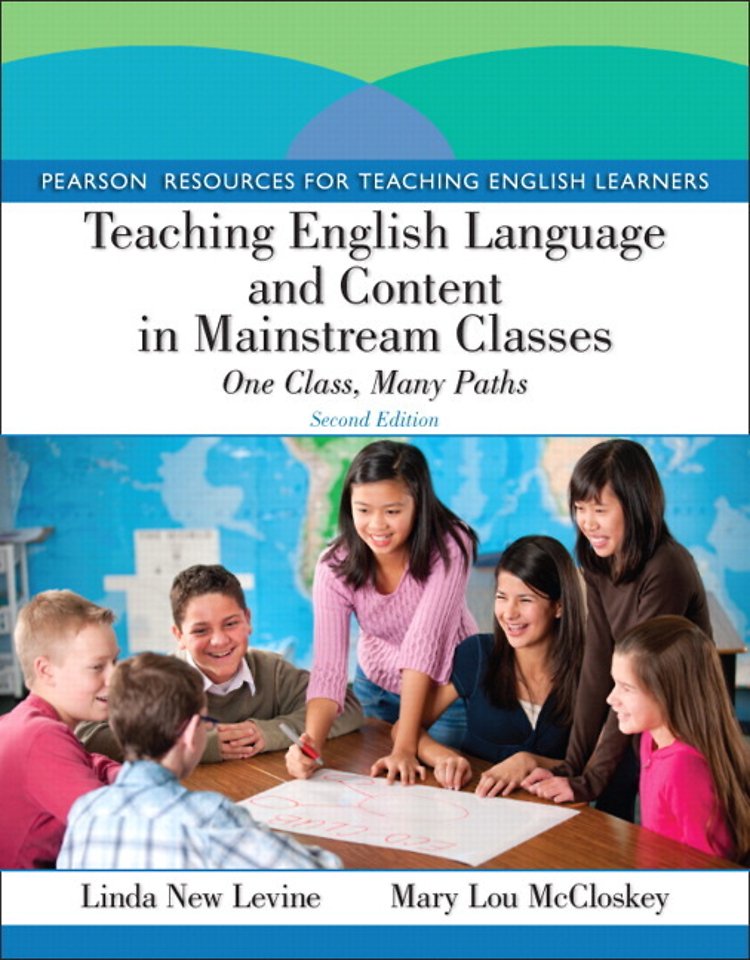
Teaching English Language and Content in Mainstream Classes

One Class, Many Paths

Specificaties
Paperback, blz. | Engels
Pearson Education | e druk, 2012
ISBN13: 9780132685146
Rubricering
Pearson Education e druk, 2012 9780132685146
€ 136,54
Levertijd ongeveer 8 werkdagen

Samenvatting

K-12 classroom teachers get practical, ready-to-use strategies for integrating English language development into the content curriculum–and achieving content text comprehension for all students.


The ideal resource for helping K-8 classroom teachers integrate content learning and English language learning into their classroom lessons, Teaching English Language and Content in Mainstream Classes presents practical, ready-to-use, research-based principles and strategies in a clear, friendly writing style. In it the authors clarify the concepts, define key terms, and offer classroom teachers what they need to accelerate their students’ academic achievement.


Key features include: An emphasis on techniques for developing reading, writing, and speaking skills in the content areas Illustrative teaching vignettes that that further clarify the ideas and concepts Some answers to the challenges present in teaching beginning reading to older pre-literate learners and under-educated learners Questions for Reflection, Suggested Readings, and Learning Activities in every chapter


And this new Second Edition includes: RTI Samplers for Tier 1 and Tier 2 programs of Response to Intervention References to the Common Core State Standards for English Language Arts and Mathematical Practice Descriptions of how to use the RTI model with ELLs Ideas for constructing classroom environments conducive to achievement gains for Tier 1 ELLs A new Chapter 7 dedicated to academic vocabulary teaching and learning

Specificaties

ISBN13:9780132685146
Taal:Engels
Bindwijze:Paperback

Inhoudsopgave

<p><strong>Chapter 1 Principles of Integrated Language Teaching and Learning </strong></p> <p> Activity-Based Language Teaching and Learning Communicative Teaching and Learning</p> <p><strong>Chapter 2 Language Acquisition and Language Learning in the Classroom </strong></p> <p> What Do We Know about First Language Acquisition?</p> <p> What Is the Nature of the First Language Environment?</p> <p> How Do Acquisition and Learning Differ?</p> <p> What Are Factors Affecting Language Acquisition in the Classroom?</p> <p> What Strategies Do ELLs Use to Acquire Languages?</p> <p> What Are the Characteristics of a Culturally and Linguistically</p> <p> Appropriate Response to Intervention (RTI) Model?</p> <p> What Are the Characteristics of an Effective Classroom Environment for ELLs?</p> <p> What Are the Characteristics of Culturally and Linguistically Appropriate Tier 1 Instruction for ELLs?</p> <p> What Are the Characteristics of Culturally and Linguistically Appropriate Tier 2 Instruction for ELLs?</p> <p><strong>Chapter 3 Culturally Responsive Instruction: Connecting with Home Culture </strong></p> <p> Culturally Responsive Instruction</p> <p> What Are the Features of Culturally Responsive Instruction?</p> <p> How Do Teachers Connect to The Homes and Families of Their Students?</p> <p> How Can the School Community Support the Education of English Language Learners?</p> <p> How Can the Community Outside the School Support the Education of ELLs?</p> <p> How Does a Culturally Responsive Classroom Connect to Students’ Cultures, Languages, and Family in an RTI Model?</p> <p><strong>Chapter 4 Organizing the Classroom for Language Learning </strong></p> <p> First Things First: Feeling Ready to Learn</p> <p> Organizing the Physical Environment to Promote Language Learning</p> <p> Organizing the Classroom Social Environment to Promote Language Learning</p> <p> English Language Instructional Programs</p> <p> Organizing Instruction to Promote Language Learning</p> <p><strong>Chapter 5 Strategies for Oral Language Development </strong></p> <p> Conditions for Oral Language Learning</p> <p> Academic Language Learning</p> <p> Oral Language Development</p> <p> Stages of Oral Language Development</p> <p> Teacher Tools for Oral Language Development</p> <p> Assessing Oral Language Development</p> <p> Response to Intervention</p> <p><strong>Chapter 6 Oral Language Development in the Content Classroom </strong></p> <p> Content Learning and Oral Language Development</p> <p> Oral Language Development Every Which Way</p> <p> Listening In While Not Tuning Out</p> <p> Assessing Listening and Speaking Skills in the Content</p> <p><strong>Chapter 7 Teaching Vocabulary to English Learners</strong></p> <p> Why Is learning vocabulary important for English learners?</p> <p> What Do We Mean When We Speak of Vocabulary? How Many Words Do Students Need to Learn?</p> <p> What Words Should We Teach?</p> <p> What Are the characteristics of effective vocabulary instruction?</p> <p> How Should we provide direct vocabulary instruction?</p> <p> How Can we help learners develop Their own tools to deal with unknown words independently?</p> <p> What Are Active Interactive Strategies to Support Vocabulary Development?</p> <p> How Can we assess vocabulary development of English learners?</p> <p><strong>Chapter 8 Developing Literacy with English Learners: Focus on Reading </strong></p> <p> What Is Literacy?</p> <p> What Is Unique About English Language Learners</p> <p> Who Are Developing Literacy?</p> <p> The Language/Literacy Matrix</p> <p> What Tools and Strategies Can We Provide to Help ELLs</p> <p> Develop Literacy?</p> <p> Issues in Literacy Development with Older English Learners 194</p> <p> Assessing ELL Literacy Development 199</p> <p><strong>Chapter 9 Developing Literacy with English Learners: Focus on Writing </strong></p> <p> Why Teach Writing with English Learners?</p> <p> How Does Writing Develop to ELLs?</p> <p> Connecting Writing to Active, Communicative Language Teaching and Learning</p> <p> Challenges of Teaching Writing to English Learners</p> <p> Developing a Writing Environment</p> <p> Getting Started: Interactive Writing</p> <p> Scaffolding Learners Through the Writing Process</p> <p> Issues in Teaching Writing to Students with Interrupted Formal Education (SIFE)</p> <p> Assessing Writing</p> <p><strong>Chapter 10 Structuring and Planning Content-Language Integrated Lessons </strong></p> <p> Lesson Characteristics That Support Learning</p> <p> A Lesson Format for Integrated Learning</p> <p> Into the Lesson: Defining Objectives, Activating, and Preparing for Learning</p> <p> Through the Lesson: Input for Active Understanding, Vocabulary Development, and Practical Purpose</p> <p> Beyond the Lesson: Providing Reasons for Further Communication</p> <p> Response to Intervention</p> <p><strong>Chapter 11 Assessment Tools for the Integrated Classroom </strong></p> <p> What Is Assessment?</p> <p> What Are the Fundamental Principles of Classroom-BasedAssessment for ELLs?</p> <p> What Are the Critical Factors Affecting the Assessment of ELLs</p> <p> What Are Examples of Authentic, Performance-Based Classroom Assessment?</p> <p> How Do Standards Affect Classroom Assessment?</p> <p> Assessment for ELLs in an RTI Organizational Model</p> <p><strong>Chapter 12 Putting It All Together Thematically: Developing Content-Based Thematic Units </strong></p> <p> What Is Thematic Instruction?</p> <p> Why Teach Thematically?</p> <p> How Are Thematic Units Structured?</p> <p> What About Standards in a Thematic Unit?</p> <p> Organizing Content Curriculum in a Thematic Unit</p> <p> Organizing Language Curriculum in a Thematic Unit</p> <p> How Can Learning Strategies Be Incorporated into Thematic Instruction?</p> <p> A Last Word</p>
€ 136,54
Levertijd ongeveer 8 werkdagen

Rubrieken

    Personen

      Trefwoorden

        Teaching English Language and Content in Mainstream Classes