,

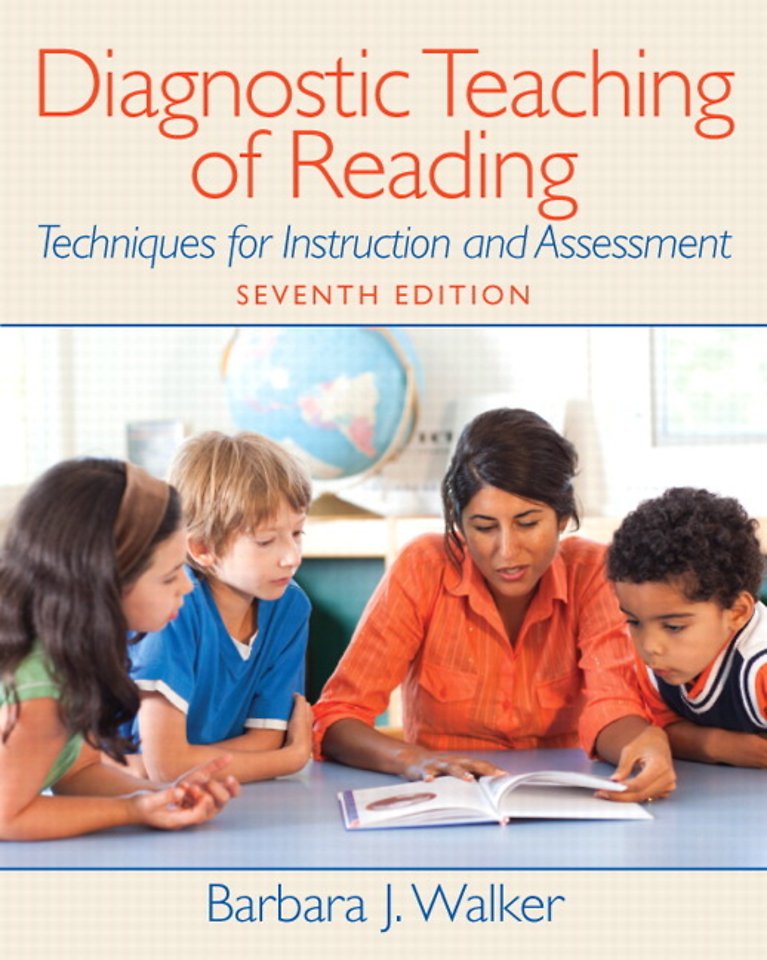
Diagnostic Teaching of Reading

Techniques for Instruction and Assessment

Specificaties
Paperback, blz. | Engels
Pearson Education | e druk, 2011
ISBN13: 9780132316514
Rubricering
Pearson Education e druk, 2011 9780132316514
€ 143,74
Levertijd ongeveer 8 werkdagen

Samenvatting

Featuring classroom-based, teacher-driven approaches to effective reading assessment and remediation, the new edition of this market-leading book provides up-to-date coverage of reading processes, their assessment, and their corrective instruction. The highly popular authors present thorough treatments of reading and writing at every stage of development and include assessments in their entirety for emergent literacy, including concepts about print and the concept of word, and many tests of phonological awareness, developmental spelling, word recognition, fluency, and phonics knowledge.


The Eighth Edition of Understanding Reading Problems includes the following new features:


·         A comprehensive inventory for assessing emergent literacy, including several new assessments of phonological awareness (Chapter 3).


·         Detailed instruction for administering, scoring, and interpreting an informal reading inventory, plus sample sections of an IRI (Chapter 5 and in the supplements).


·         A thorough discussion of Response to Intervention (Chapter 2).


·         Extensive assessment of the often-neglected topic of narrative comprehension of early readers (Chapter 3).


·         New instruments for assessing phonological awareness.


·         New reading and spelling-based tests of phonics knowledge.


·         A new instrument for assessing students’ developmental spelling in K through 12 (Chapter 8).


·         A new chapter on teaching culturally and linguistically diverse students (Chapter 9).


·         The Eighth Edition is organized by developmental levels, with explanations of reading issues at each level, approaches to assessment, and teaching methods delivered at the point of need.


Specificaties

ISBN13:9780132316514
Taal:Engels
Bindwijze:Paperback

Inhoudsopgave

<p>Contents</p> <p><strong>PART ONE</strong> The Process of Diagnostic Teaching of Reading 1</p> <p>Ways to Use These Chapters 3</p> <p><strong>1</strong> What Is Diagnostic Teaching? 5</p> <p>Active Reading and Writing 7 </p> <p>Differences in Learning 11</p> <p>Struggling and Writers Readers 11 </p> <p>English Language Learners 13</p> <p>Culturally Diverse Learners 14</p> <p>Instructional Process 15</p> <p> Text-based View</p> <p> Reader-based View</p> <p> Interactive constructivist View</p> <p> Sociocultural View</p> <p> Balanced Instruction</p> <p>Assessment Process 20</p> <p>Diagnostic Teaching Process </p> <p> Diagnostic Teaching Lesson 23</p> <p>Summary 14</p> <p><strong>2 </strong>Literacy Development 34</p> <p>Emergent Literacy Stage 36</p> <p>Early Developing Literacy Stage 38</p> <p>Developing Stage 40</p> <p>Strategic Literacy Stage 43</p> <p>Complex Literacy Stage 46</p> <p><strong>3</strong> Effective Teachers 48</p> <p>Engage All Learner 48</p> <p>Foster meaningful interpretations and thoughtful understanding 50</p> <p>Cultivate Vibrant Discussions 51</p> <p>Access To High Quantity And High Quality Of Reading Material 53</p> <p>Make use of Scaffolding 54</p> <p>Nuture Motivation 58 </p> <p>Promote Self regulated Learning 60</p> <p>Create a Responsive Environment 61</p> <p>Assess while Teaching 62</p> <p>Integrate and Balance Instruction 65</p> <p>Summary</p> <p><strong>4</strong> The Diagnostic Teaching Session: An Overview 68</p> <p>Familiar Text Time 69</p> <p>Supported Reading and Writing 70</p> <p>Continuous Assessment 74</p> <p>Strategy and Skill Instruction 78</p> <p>Analysis of Patterns of Reading Development 78</p> <p>Instruction in Strategies and Skills 79</p> <p>Strategy Conversations and Self-Assessment 80</p> <p>Process Writing Time 82</p> <p>Personalized Reading and Writing 83</p> <p>Summary </p> <p><strong>5</strong> Gathering Diagnostic Data 94</p> <p>Informal Reading Inventory 94</p> <p>Establishing the Level of Student Performance </p> <p>Analyzing the Results from the Informal Reading Inventory </p> <p>Informal Writing Assessment</p> <p>Further Assessments </p> <p>Stages of Reading Development 81</p> <p>Emergent Literacy Stage</p> <p>Early Developing Literacy Stage</p> <p>Developing Literacy Stage</p> <p>Strategic Literacy Stage</p> <p>Complex Literacy Stage</p> <p>Summary </p> <p><strong>6</strong> The Literacy Event 114</p> <p>Reader 117</p> <p>Reader analysis for Jenny</p> <p>Text 129</p> <p> Text analysis for Jenny</p> <p> Task 135</p> <p> Task analysis for Jenny</p> <p>Situational Context 144</p> <p> Situational Context analysis for Jenny</p> <p>Technique 154</p> <p>Summary </p> <p>Formulating Hypotheses for Jenny </p> <p>Reviewing the Steps </p> <p>7<strong>11</strong> Selecting Techniques 172</p> <p>Classifying Techniques for Supporting Reading and Writing </p> <p>Classifying Techniques by Instructional Framework </p> <p>Classifying Techniques by Type of Text </p> <p>Classifying Techniques by Mode of Response </p> <p>Classifying Techniques for Strategy and Skill Instruction </p> <p>Classifying Techniques by Reasoning Strategies </p> <p>Classifying Techniques by Reading Skills </p> <p>Classifying Techniques for Increased Specificity </p> <p>Classifying Techniques by Sources of Information </p> <p>Classifying Techniques by Type of Structure </p> <p>Summary </p> <p>Putting the Parts Together for Jenny </p> <p>Reviewing Technique Selection </p> <p><strong>8</strong> Selecting Materials 223</p> <p>Basic Types of Materials </p> <p>Basal Readers and Core Reading Programs</p> <p>Chapter Books </p> <p>E-Books</p> <p>Focused Lessons Books </p> <p>High-Interest, Low-Readability Books </p> <p>Internet Materials </p> <p>Leveled Books</p> <p>Media </p> <p>Picture Trade Books </p> <p>Poetry Anthologies </p> <p>Predictable Books </p> <p>Series Books </p> <p>Software Programs </p> <p>Textbooks </p> <p>Selecting Material for a Particular Reader </p> <p>Matching the Text to the Reader </p> <p>Evaluating the Text </p> <p>More to Consider When Selecting Material </p> <p>Interest </p> <p>Choice </p> <p>Background Knowledge of the Reader </p> <p>Length of the Book </p> <p>Summary </p> <p><strong>9</strong> Initiatives and Teacher Development 246</p> <p>Response to Intervention</p> <p>Sheltered Instruction Observation Protocol for English Language Learners</p> <p>Shared Expertise in Reading </p> <p>Reflecting</p> <p>Developing Collaboration </p> <p>The Learning Community </p> <p>Forms of Studying Reading Instruction </p> <p>Study Groups </p> <p>Teacher Research Groups</p> <p>Criteria for a Teacher Development Context 167</p> <p><strong>10</strong> Using Multiple Assessments 261</p> <p>Authentic Assessments</p> <p>Criterion-Referenced Tests </p> <p>Formal Assessments</p> <p>Informal Assessments</p> <p>Motivation Assessment</p> <p>Performance Assessment </p> <p>Process-Oriented Assessments </p> <p>Rubrics </p> <p>Student Self-Assessment</p> <p>The Assessments 266</p> <p>Anecdotal records </p> <p>Assessment Letters </p> <p>Assessment Talks</p> <p>Attitude Toward Reading </p> <p>Cloze Test</p> <p>Concepts about Print Interview</p> <p>Diagnostic Teaching Assessment </p> <p>Developmental Reading Assessment 2</p> <p>Informal Reading Inventory </p> <p>Interest Inventories</p> <p>Letter Name Knowledge</p> <p>The Metacognitive Awareness of Reading Strategies Inventory </p> <p>Miscue Analysis </p> <p>Motivation to Read Profile </p> <p>Multi-Dimensional Fluency Scale </p> <p>Norm-Referenced Tests</p> <p>Observations </p> <p>Phonemic Segmentation</p> <p>Phonological Awareness </p> <p>Portfolios </p> <p>Retelling Rubric</p> <p>Running Records </p> <p>Self-Perceptions as a Reader and Writer</p> <p>Spelling Assessment</p> <p>Strategy Self-Assessments</p> <p>Student-Led Conferences </p> <p>Summarization Rubric</p> <p>Think-Aloud Analysis </p> <p>Word Identification Assessment</p> <p>Writing Rubric</p> <p>Evaluating Student Performance Using Multiple Assessments 145</p> <p>Summary </p> <p><strong>PART TWO</strong> The Instructional Techniques 317</p> <p>The Information for Each Technique </p> <p>Ways to Use These Techniques </p> <p>Techniques (listed alphabetically)</p> <p> 1. Alternate Writing </p> <p> 2. Analytic Phonics </p> <p> 3. Chunking </p> <p> 4. Cloze Instruction </p> <p> 5. Collaborative Reading </p> <p> 6. Concept Mapping </p> <p> 7. Concept-Oriented Reading Instruction </p> <p> 8. Contextual Processing </p> <p> 9. Decoding by Analogy </p> <p>10. Digital Talking Books</p> <p>11. Direct Experience Approach </p> <p>12. Directed Reading Activity </p> <p>13. Directed Reading-Thinking Activity </p> <p>14. Experience—Text—Relationship </p> <p>15. Explicit Teaching </p> <p>16. Feature Analysis Grid </p> <p>17. Framed Rhyming Innovations </p> <p>18. Generative-Reciprocal Inference Procedure </p> <p>19. Graphic Organizers </p> <p>20. Group Investigation Approach </p> <p>21. Guided Reading </p> <p>22. Imagery Instruction </p> <p>23. Implicit Teaching </p> <p>24. Impress Method</p> <p>25. Interactive Writing </p> <p>26. Internet Inquiry </p> <p>27. Journal Writing </p> <p>28. K-W-L </p> <p>29. Language Experience Approach </p> <p>30. Listening-Thinking Activity </p> <p>31. Literature Discussions </p> <p>32. Making Words </p> <p>33. Making and Writing Words </p> <p>34. Metaphors </p> <p>35. Multisensory Approaches </p> <p>36. Paired Reading </p> <p>37. Phonogram Approach </p> <p>38. Prediction Strategy Instruction </p> <p>39. Process Writing </p> <p>40. Question-and-Answer Relationships </p> <p>41. Question-Generation Strategy </p> <p>42. Questioning the Author </p> <p>43. Readers Theater </p> <p>44. Reciprocal Teaching </p> <p>45. Repeated Readings </p> <p>46. ReQuest </p> <p>47. Retelling 308</p> <p>48. Retrospective Miscue Analysis </p> <p>49. Say Something </p> <p>50. Semantic Mapping </p> <p>51. Sentence Combining </p> <p>52. Shared Reading Approach </p> <p>53. Sight-Word Approach </p> <p>54. Sound Boxes </p> <p>55. SQ3R </p> <p>56. Story Drama </p> <p>57. Story Mapping </p> <p>58. Story Writing Approach </p> <p>59. Strategy Instruction </p> <p>60. Summary Experience Approach </p> <p>61. Summarization </p> <p>62. Synthetic Phonics </p> <p>63. Thematic-Inquiry Approach </p> <p>64. Think-Aloud Approach </p> <p>65. Visualization </p> <p>66. Vocabulary Self-Collection Strategy </p> <p>67. Word Sorts </p> <p>68. Word Walls </p> <p>Appendix A</p> <p>Administering an Informal Reading Assessment </p> <p>Appendix B</p> <p>Predictable Book List </p> <p>Appendix C</p> <p>High Interest Series Books </p> <p>Appendix D</p> <p>Online Resources </p> <p>Glossary</p> <p>Reference</p> <p>Index</p>
€ 143,74
Levertijd ongeveer 8 werkdagen

Rubrieken

    Personen

      Trefwoorden

        Diagnostic Teaching of Reading