Abdalbasit Adam Mariod,
Abdalbasit Adam Mariod Alnadif
Elsevier Science
e druk, 2018
9780128120026
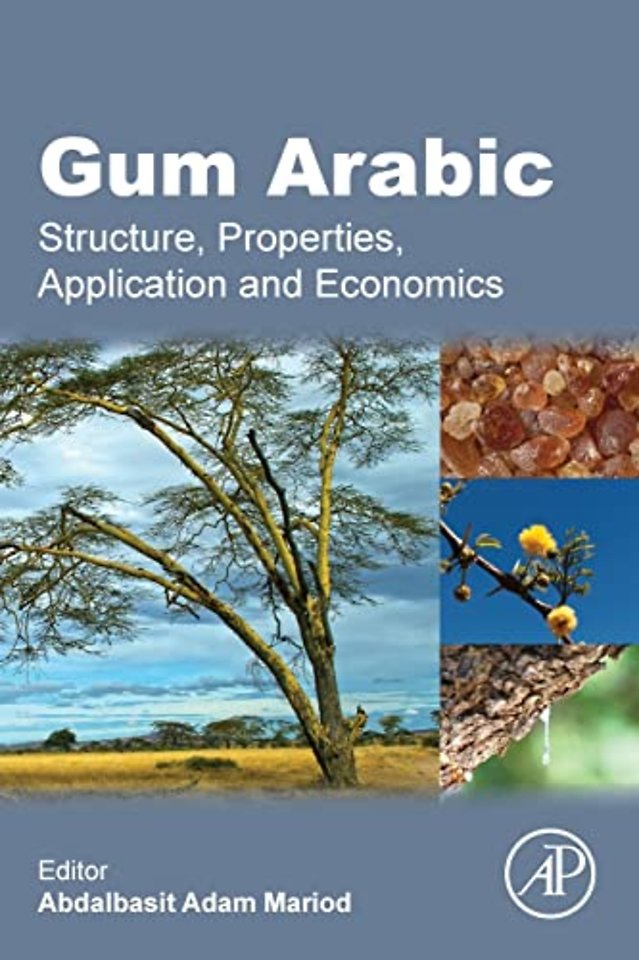
Gum Arabic
Structure, Properties, Application and Economics
Specificaties
Paperback, blz.
|
Engels
Elsevier Science |
e druk, 2018
ISBN13: 9780128120026
Rubricering
Levertijd ongeveer 8 werkdagen
Samenvatting
Gum Arabic: Structure, Properties, Application and Economics explores the management practices of gum Arabic producing trees and their environmental role, the characteristics and properties of the gum, and presents current and developing uses in food, feed, and medicinal applications. The book provides insight into regulatory aspects of production and quality control as well as underscoring some of the geographically based differences in gum Arabic trees, production, and regulation of products. Written by experts in the field, the book provides current research and developments in gum Arabic. It is an important resource for researchers in industry and academia interested in the advances in this area.
Specificaties
Inhoudsopgave
<p>Part 1. Agricultural, and economics <br>1. Acacia seyal gums in Sudan: Ecology and economic contribution <br>2. Management practices of gum arabic-producing trees<br>3. Valuation of environmental role of Acacia senegal tree in the Gum Belt of Kordofan and Blue Nile Sectors, Sudan<br>4. Impact of vegetation cover changes on gum arabic production <br>5. Gum arabic: Certification and assessment of marketing opportunities</p> <p>Part 2. Chemistry, food and feed applications<br>6. Chemical properties of gum Arabic<br>7. Physical and electro properties of gum Arabic<br>8. New trends in gum arabic methods of analysis<br>9. Thermal characteristics of Acacia gums from Gummiferea<br>10. Processing of a highly-purified grade of gum arabic from gum dust<br>11. Processing and modification of gum arabic in specific applications<br>12. Enhancement of color stability in foods by gum arabic<br>13. Gum arabic as a thickener and stabilizing agent in dairy products<br>14. Effect of gum arabic (prebiotic) on physico-chemical and organoleptic properties of yoghurt (probiotic)<br>15. Extending cloud stability of Tamarindus indica l. Juice using sodium alginate and gum arabic during storage in the refrigerator</p> <p>Part 3. Medical and health uses<br>16. Health benefits of gum arabic and medical use <br>17. Gum arabic beneficial effects, clinical applications and future perspectives <br>18. Use of acacia gum in the treatment of skin lesions of two children with kwashiorkor<br>19. Extraction and utilization of Sudanese Acacia seeds oil in Biodiesel preparation<br>20. Gum arabic dietary fiber<br>21. Gum arabic and kidney failure: An exceptional panacea<br>22. Gum arabic as dietary animal feed additives<br>23. Applications of gum arabic in medical and health benefits<br>24. Functional properties of gum arabic<br>25. Effect of gum arabic on the fecal bacterial mass on healthy human volunteers <br>26. Gastroprotective activity of gum arabic</p>