, , , , e.a.

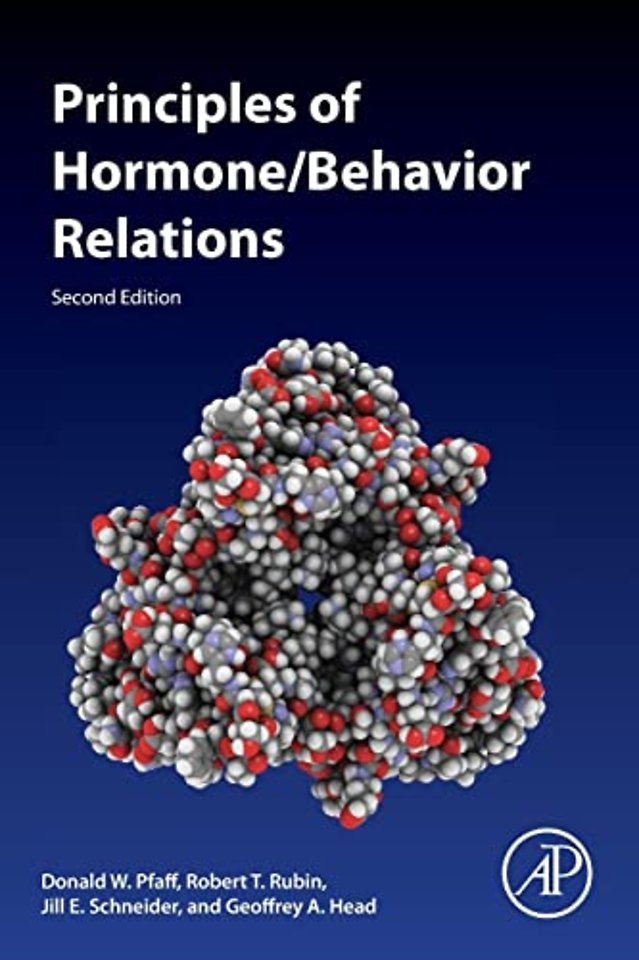
Principles of Hormone/Behavior Relations

Specificaties
Paperback, blz. | Engels
Elsevier Science | e druk, 2018
ISBN13: 9780128113714
Rubricering
Elsevier Science e druk, 2018 9780128113714
€ 83,74
Levertijd ongeveer 8 werkdagen

Samenvatting

Principles of Hormone/Behavior Relations, Second Edition, provides an introduction to the underlying principles of endocrine regulation of behavior, a newly emerging area of research within neurobiology and endocrinology. It addresses the properties of hormone/behavior relations, including the influence of family background, timing issues, neuroanatomical features, cellular mechanisms, and the importance of environmental context and evolution. This new edition incorporates critical advances in the field, also including increased coverage of hormonal influences on food intake, and on the cardiovascular system.

The addition of entirely new principles provides further coverage of epigenetics and appetite. Thoroughly revised and updated, this book is an ideal resource for neuroscientists and researchers engaging in this rapidly expanding field of study.

Specificaties

ISBN13:9780128113714
Taal:Engels
Bindwijze:Paperback

Inhoudsopgave

<p>Section I: Characterizing the Phenomena: Hormone Effects are Strong and Reliable1. Hormones Can Both Facilitate and Repress Behavioral Responses2. One Hormone Can have Many Effects: A Single Hormone Can Affect Complex Behaviors3. Hormone Combinations Can be Important for Influencing an Individual Behavior4. Hormone Metabolites Can be the Behaviorally Active Compounds5. There are Optimal Hormone Concentrations: Too Much or Too Little Can be Damaging6. Hormones Do Not ‘‘Cause’’ Behavior; They Alter Probabilities of Responses to Given Stimuli</p> <p>Section II: History: Hormone Effects Can Depend on Family, Gender, and Development7. Familial/Genetic Dispositions to Hormone Responsiveness Can Influence Behavior8. The Sex of the Recipient can Influence the Behavioral Response9. Hormone Actions Early in Development Can Influence Hormone Responsiveness in the CNS During Adulthood10. Puberty Alters Hormone Secretion and Hormone Responsivity and Heralds Sex Differences11. Changes in Hormone Levels and Responsiveness During Aging Affect Behavior</p> <p>Section III: Time: Hormonal Effects on Behavior Depend on Temporal Parameters12. Duration of Hormone Exposure Can Make a Big Difference: In Some Cases Longer is Better; In Other Cases Brief Pulses are Optimal for Behavioral Effects13. Hormonal Secretions and Responses are Affected by Biological Clocks</p> <p>Section IV: Space: Spatial Aspects of Hormone Administration and Impact are Important14. Effects of a Given Hormone Can be Widespread Across the Body; Central Effects Consonant with Peripheral Effects Form Coordinated, Unified Mechanisms15. Hormones Can Act at All Levels of the Neuraxis to Exert Behavioral Effects; The Nature of the Behavioral Effect Depends on the Site of Action</p> <p>Section V: Mechanisms: Molecular and Biophysical Mechanisms of Hormone Actions Give Clues to Future Therapeutic Strategies16. In Responsive Neurons, Rapid hormone Effects Can Facilitate Later Genomic Actions17. Gene Duplication and Splicing Products for Hormone Receptors in the CNS Often Have Different Behavioral Effects18. Hormone Receptors and Other Nuclear Proteins Influence Hormone Responsiveness</p> <p>Section VI: Environment: Environmental Variables Influence Hormone/Behavior Relations19. Hormone Effects on Behavior Depend Upon Context20. Behavioral/Environmental Context also Alters Hormone Release</p> <p>Section VII: Evolution21. Neuroendocrine Mechanisms Have Been Conserved to Provide Biologically Adaptive Body/Brain/Behavior Coordination</p>
€ 83,74
Levertijd ongeveer 8 werkdagen

Rubrieken

    Personen

      Trefwoorden

        Principles of Hormone/Behavior Relations